
Short answer
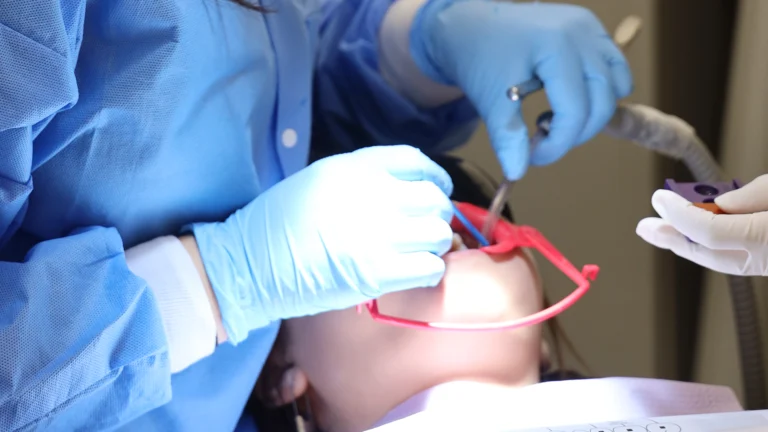
Orthodontics Australia, the Australian Society of Orthodontists’ public site, recommends a first assessment between ages 7 and 10. By then a child has a mix of baby and adult teeth, so developing bite and jaw problems can be seen. A check is not the start of treatment: it often ends in a plan to review growth. No referral is required.
Key points
- Book a first orthodontic assessment between ages 7 and 10, or sooner if you notice a warning sign.
- You do not need a referral from your dentist to see an orthodontist.
- A check at 7 does not mean braces at 7. It often ends in a plan to review growth over time.
- Early treatment helps with specific problems, such as prominent upper front teeth that are prone to injury, but it is not needed for every child.
- Any treatment carries risks, including soreness, white marks on teeth and relapse without retainers, and suitability is decided after an individual assessment.
Jump to a section 8
- What age should a child first see an orthodontist?
- Signs it is worth booking sooner
- What happens at a first orthodontic assessment
- The three usual outcomes of an early check
- What treatment involves, including the risks
- What affects the cost
- Booking a first check in Woollahra or Mosman
- Common questions
What age should a child first see an orthodontist?
Orthodontics Australia recommends that children visit a registered specialist orthodontist for an assessment between the ages of 7 and 10. The American Association of Orthodontists puts it slightly earlier, suggesting a first check no later than age 7, and both organisations say there is no single right age to start treatment.
The reason for 7 is the teeth themselves. Around that age a child has a mix of baby and adult teeth. That lets an orthodontist see how the bite is forming and how the jaws are growing, and judge whether anything is worth watching. An X-ray also shows the adult teeth that have not yet broken the surface.
Booking at 7 is not the same as starting treatment at 7. The British Orthodontic Society notes that most children begin treatment around the age of 12 or 13, once all their permanent teeth have erupted. An early check simply means that if something does need attention sooner, nobody misses the window.
| Age | What is usually happening | What an orthodontist is looking for |
|---|---|---|
| Around 7 | Mix of baby and adult teeth | How the bite is forming, crowding, habits affecting the teeth |
| 7 to 10 | More baby teeth lost and adult teeth erupting | Space for the adult teeth still to come, jaw growth, prominent front teeth |
| Around 12 to 13 | Most adult teeth through | Whether full treatment with braces or aligners is needed now |
Signs it is worth booking sooner
You do not have to wait for a birthday. Healthdirect and Orthodontics Australia list signs that suggest a child may benefit from seeing an orthodontist, whatever their age:
- Difficulty or pain when biting or chewing
- Snoring, or breathing through the mouth most of the time
- Baby teeth lost early through decay or an injury
- Upper and lower teeth that do not meet properly when your child bites together
- Front teeth that stick out, or teeth that look crowded
- A thumb sucking habit that continues as the adult teeth arrive
- Speech problems, or a family history of missing or impacted teeth
No referral needed
Healthdirect confirms you do not need a referral from your dentist to see an orthodontist, although it can help to see your dentist first. Keep up your child’s regular dental check-ups either way.
Wondering whether it is time?
A first assessment tells you whether anything needs attention now, later or not at all. Call (02) 8412 0085 or send an enquiry to book in Woollahra or Mosman.
What happens at a first orthodontic assessment
A first visit is a look and a conversation. Healthdirect describes a first orthodontic consultation as happening in two parts: records of the teeth, then a discussion of the options. For a young child it usually runs like this:
- Your concerns first. We ask what you have noticed, about habits like thumb sucking, and about any family history of orthodontic problems.
- An examination. We look at the teeth, the bite, the jaws and how your child breathes, chews and swallows.
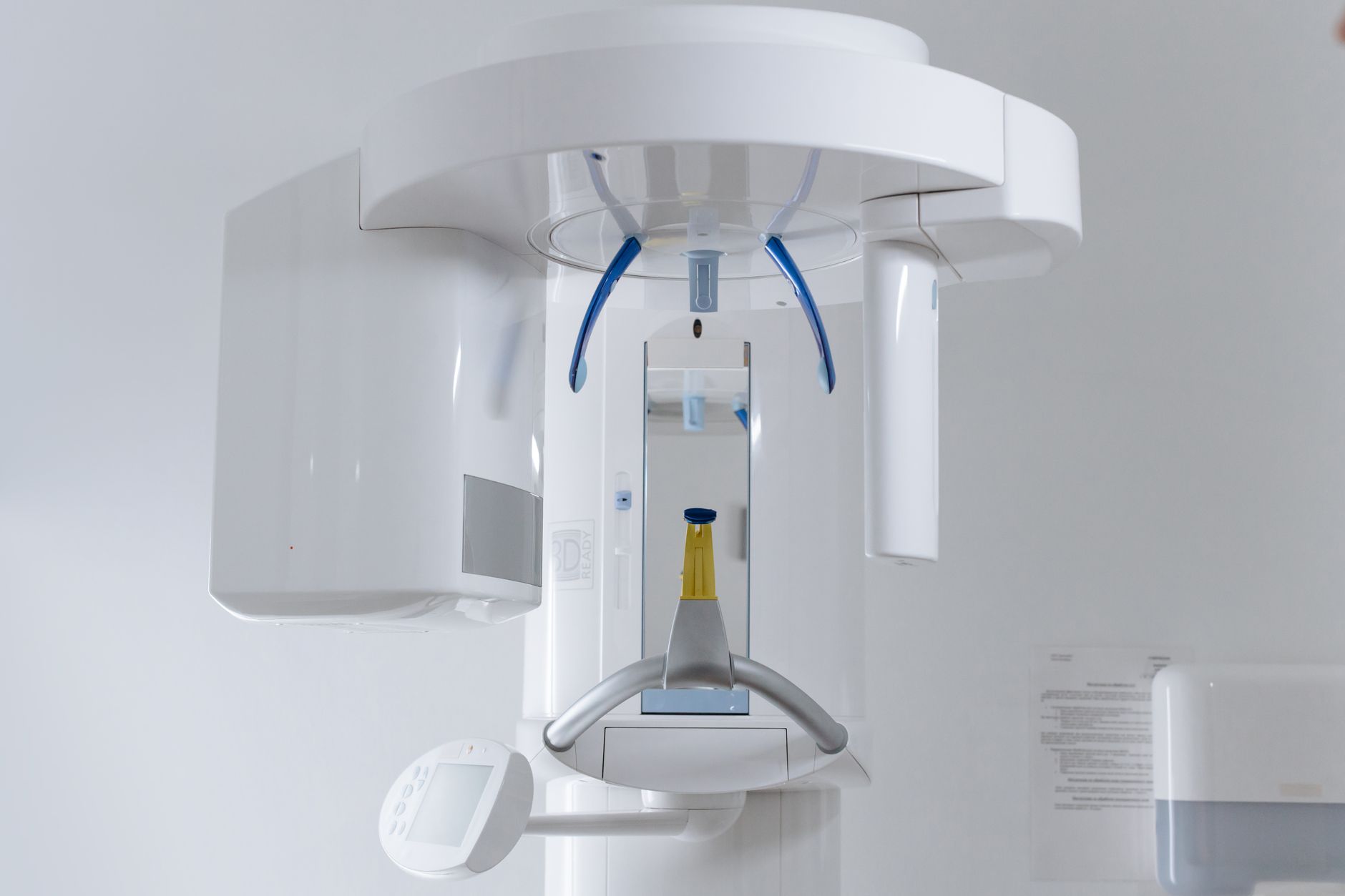
- Records where they are useful. These may include photographs, a digital scan and an X-ray, which shows the adult teeth still developing under the gums.
- A plain explanation. We tell you what we see, whether anything needs to happen now, and when we would like to see your child again.
The three usual outcomes of an early check
Every child is different, so the result of an assessment varies. In practice it falls into one of three paths. You can read more about how we look after children’s orthodontic care on our service page.
Nothing to do yet: watch and review
Often there is nothing to treat yet. The AAO describes it as a wait and see approach in which the orthodontist checks growth and development periodically. Reviews are usually short, and if treatment is needed later we start it at the stage that suits your child’s development.
Early treatment for a specific problem
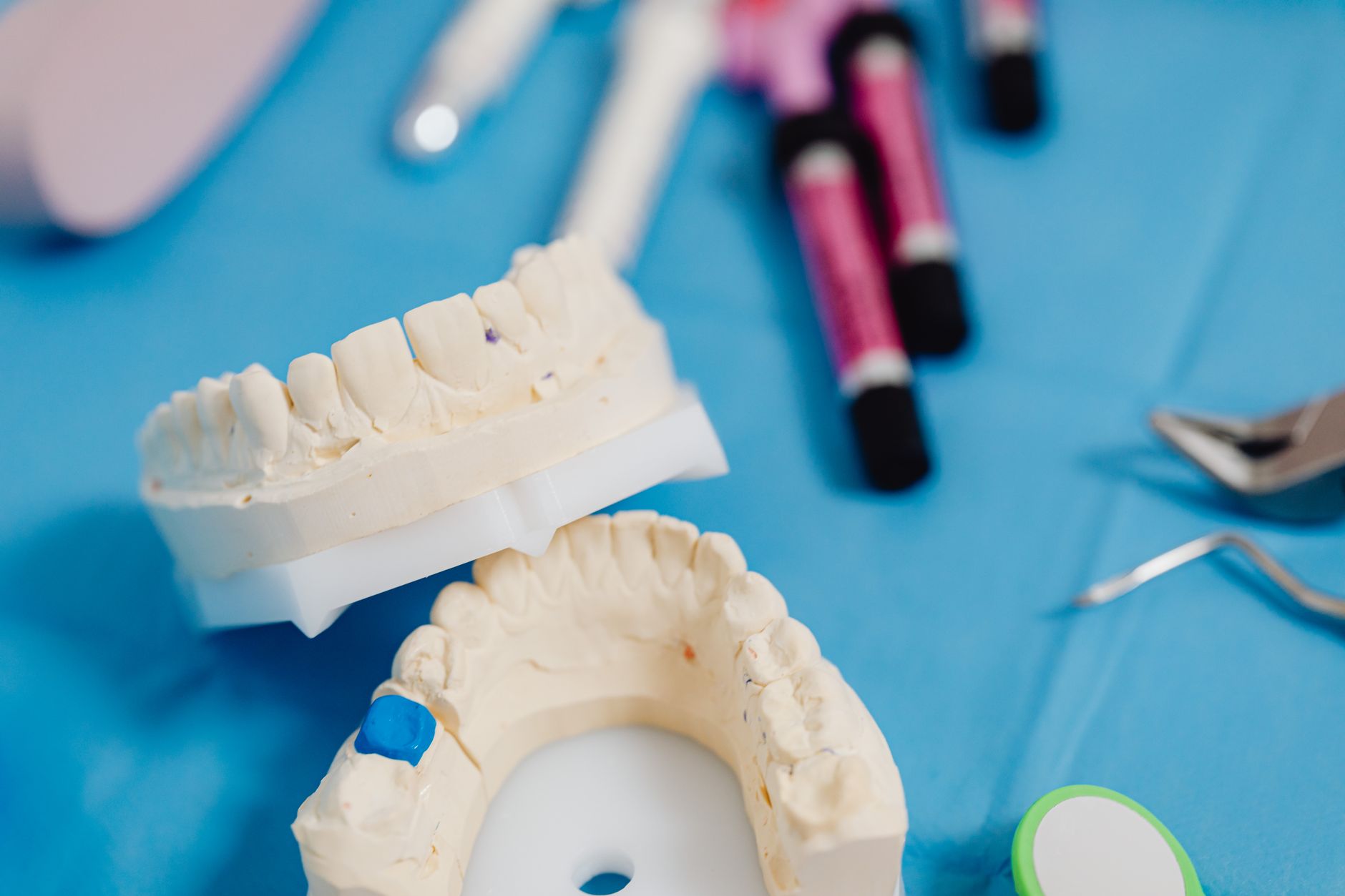
Some problems are easier to deal with while a child is still growing, such as a jaw growth problem, a habit that is moving the teeth, or upper front teeth that stick out and are exposed to knocks. Early treatment may involve an appliance worn for a limited period, and it is sometimes followed by a second phase of treatment once the adult teeth are through.
The evidence here is specific. A 2018 Cochrane review found that early treatment for children with prominent upper front teeth reduces the chance of those teeth being injured, but found no other advantage over waiting until adolescence, and rated the evidence as low to moderate quality. That is why we recommend early treatment only when there is a clear reason for it. Early treatment cannot promise that braces or other treatment will not be needed later.
Treatment in the teenage years
For many children the right time for full treatment with braces or clear aligners is once most adult teeth have arrived. Seeing your child earlier means the plan is already in place and you know what to expect.
What treatment involves, including the risks
If your child does need treatment, it helps to know what is involved before you decide. Healthdirect notes that orthodontic treatment to straighten teeth can take 18 months or more, with routine appointments every 4 to 12 weeks, and braces are commonly followed by a retainer for 12 to 24 months or longer. Orthodontic treatment is not risk free. The main risks are:
- Soreness. Teeth usually ache for a few days after braces are fitted and after each adjustment. A clinical review published in the Saudi Dental Journal in 2011 found discomfort tends to peak on the second day and usually settles within about a week.
- White marks on the teeth. Plaque left around brackets can decalcify the enamel. The same review reports these lesions can form within four weeks, and a 2020 systematic review found some are still visible up to five years after braces come off. Careful brushing around every bracket is the main protection, and some marks are permanent.
- Root shortening. Some shortening of the tooth roots is common during orthodontic tooth movement, and the risk increases with the length of treatment.
- Relapse. Teeth can move again if retainers are not worn as advised, so retainers are part of the treatment rather than an extra.
- Gum irritation and ulcers. Braces can rub the cheeks and make the gums sore if cleaning is difficult.
Results vary
How a child responds depends on their growth, their teeth and how well they keep up with cleaning, elastics and retainers. Whether a treatment suits your child can only be decided after an individual assessment, and you are always welcome to seek a second opinion.
What affects the cost
A first assessment and a plan to review growth are very different from a course of treatment, and the cost reflects that. What changes the cost of any treatment is how complex the problem is, how long treatment lasts, which appliances are used, and whether there are one or two phases. Healthdirect notes that orthodontic costs are not covered by Medicare, so check with your health fund about what your extras cover. We explain the costs before any treatment starts, and our payment options page sets out how fees can be spread over time.
Booking a first check in Woollahra or Mosman
Prof. Ali Darendeliler and Dr Roshanak Boustan are specialist orthodontists, and Dr Eduardo Alcaino is a specialist paediatric dentist. As a specialist orthodontic practice in Sydney, we see children at our clinics at 135 Edgecliff Road, Woollahra, and Suite 2, 600 Military Road, Mosman. Both can be reached on (02) 8412 0085.
Common questions
Is 7 too young to see an orthodontist?
No. Orthodontics Australia recommends a first assessment between 7 and 10, and the AAO suggests no later than 7. At that age the visit is mostly a check and a plan, not the start of treatment.
Does my child need all their adult teeth before an assessment?
No. An assessment at 7 to 10 is done while baby and adult teeth are mixed, and an X-ray shows the adult teeth still developing under the gums.
Do I need a referral from our dentist?
No. Healthdirect confirms you can see an orthodontist without a referral. It can still help to see your dentist first, and regular dental check-ups should continue.
Will my child need braces straight away?
Usually not. An early assessment often ends in a plan to review growth. Early treatment is recommended only for specific problems, and full treatment typically starts once most adult teeth are through.
Is it too late if my child is already 11 or 12?
No. Many children start treatment around 12 or 13. Some early problems are simpler to address while a child is growing, but an assessment is worthwhile at any age, including for adults.
Does early treatment mean my child will not need braces later?
Not necessarily. Some children have a short first phase and then a second phase of treatment once the adult teeth are through. Nobody can promise that early treatment will remove the need for later treatment.
The short version
Plan a first orthodontic assessment between ages 7 and 10, or sooner if you notice a warning sign. It is usually a check and a plan rather than the start of treatment.
- Orthodontics Australia recommends an assessment between 7 and 10; the AAO says no later than 7.
- Book sooner for chewing difficulty, mouth breathing, early loss of baby teeth, a bite that does not meet, or a persistent thumb habit.
- Many children are simply reviewed over time, and full treatment commonly starts around 12 or 13.
- Treatment carries risks, including soreness, white marks, root shortening and relapse without retainers, and results vary.
Book your child’s first orthodontic check
We will examine your child’s teeth and jaws, explain what we see in plain terms, and tell you if and when treatment would help. Clinics in Woollahra and Mosman.
Book a consultation Call (02) 8412 0085
Woollahra and Mosman · (02) 8412 0085
Sources
- When to see an orthodontist, Orthodontics Australia (Australian Society of Orthodontists)
- Orthodontist, healthdirect Australia
- Dental braces and retainers, healthdirect Australia
- Child orthodontics FAQs, American Association of Orthodontists
- When should a child first see an orthodontist?, British Orthodontic Society
- Orthodontic treatment for prominent upper front teeth (Class II malocclusion) in children and adolescents, Batista et al., 2018, Cochrane
- Adverse effects of orthodontic treatment: a clinical perspective, Talic, 2011, Saudi Dental Journal
- Is bleaching effective in managing post-orthodontic white-spot lesions? A systematic review, Gizani et al., 2020, Oral Health and Preventive Dentistry
This article is general information only and is not a substitute for advice about your own teeth from a registered practitioner. Orthodontic treatment carries risks, results vary from person to person, and whether a treatment suits you can only be decided after an individual assessment.