
Signs of sleep Apnea on Children
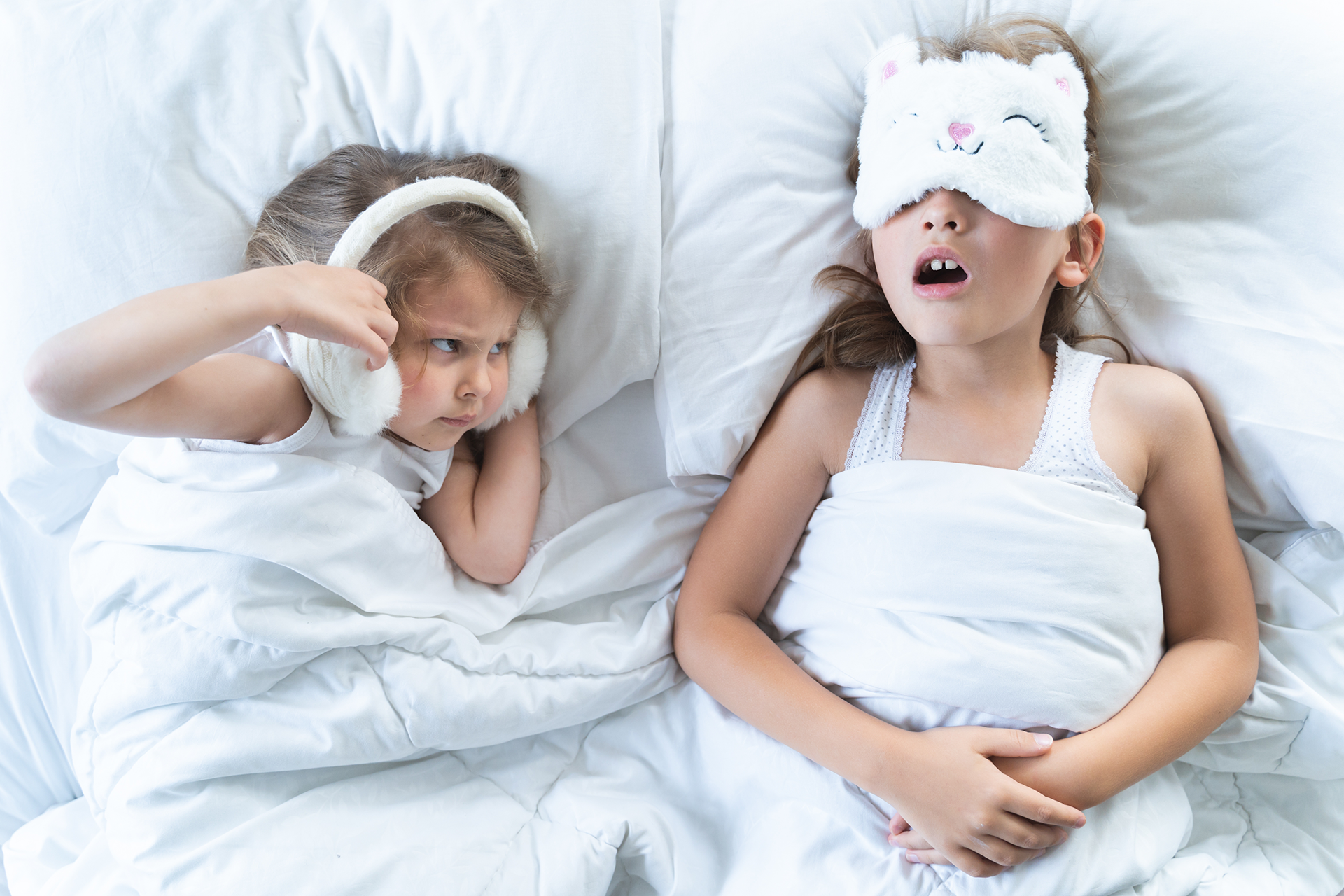
Loud Snoring: One of the most common signs of sleep apnea in children is loud, persistent snoring. While occasional snoring is normal, regular, loud snoring is often a red flag for OSA.
Pauses in Breathing: Witnessing pauses in a child’s breathing during sleep can be alarming. These pauses are often followed by gasping or choking sounds as the child attempts to resume normal breathing.
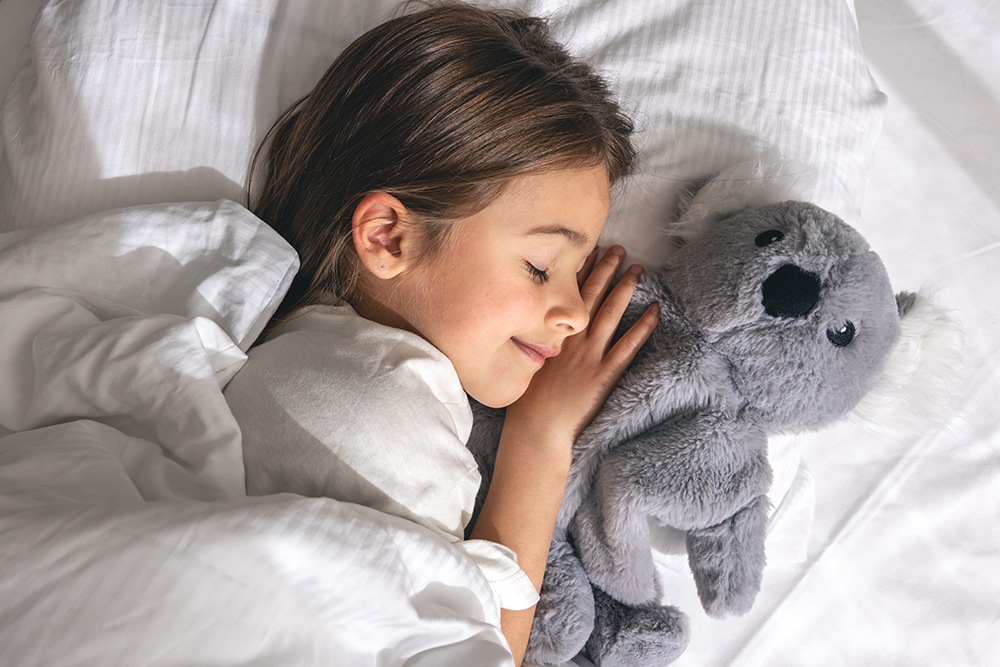
Restless Sleep: Children with sleep apnea may experience restless sleep, frequent awakenings, and changes in sleep position as they struggle to breathe properly.
Daytime Sleepiness: Despite getting a full night’s rest, children with sleep apnea may exhibit excessive daytime sleepiness, irritability, and difficulty concentrating. This can affect their performance in school and social interactions.
Mouth Breathing: Children with OSA often breathe through their mouth, especially at night. This can lead to a dry mouth and may be associated with other dental issues.
Potential Health Impacts
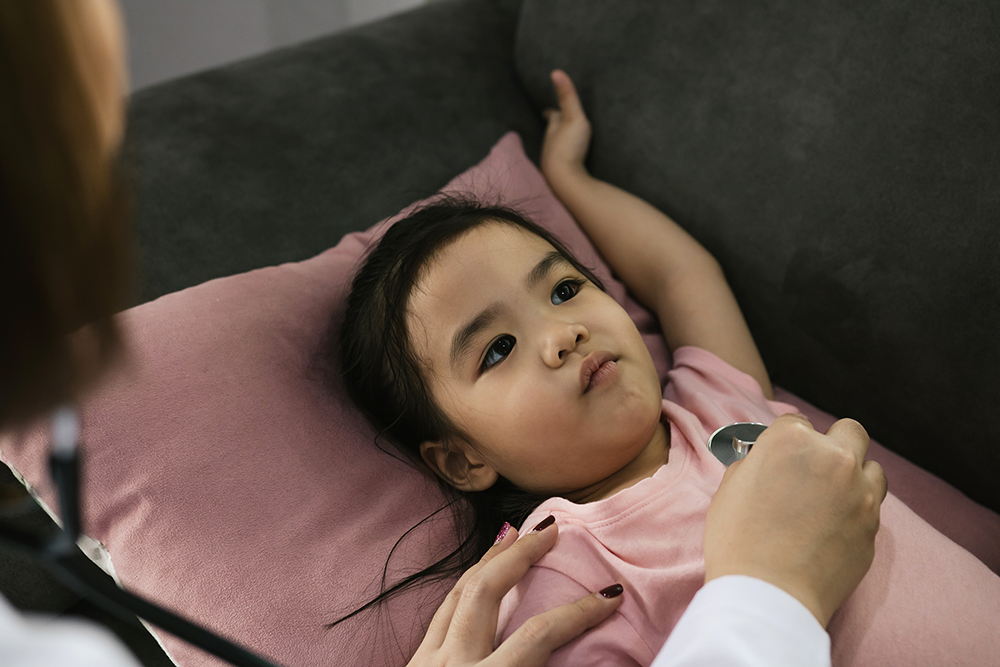
Treatment Options for Sleep Apnea in Children
Lifestyle Modifications: For children who are overweight, lifestyle changes such as a healthier diet and increased physical activity can help reduce sleep apnea symptoms by decreasing excess tissue around the airway.
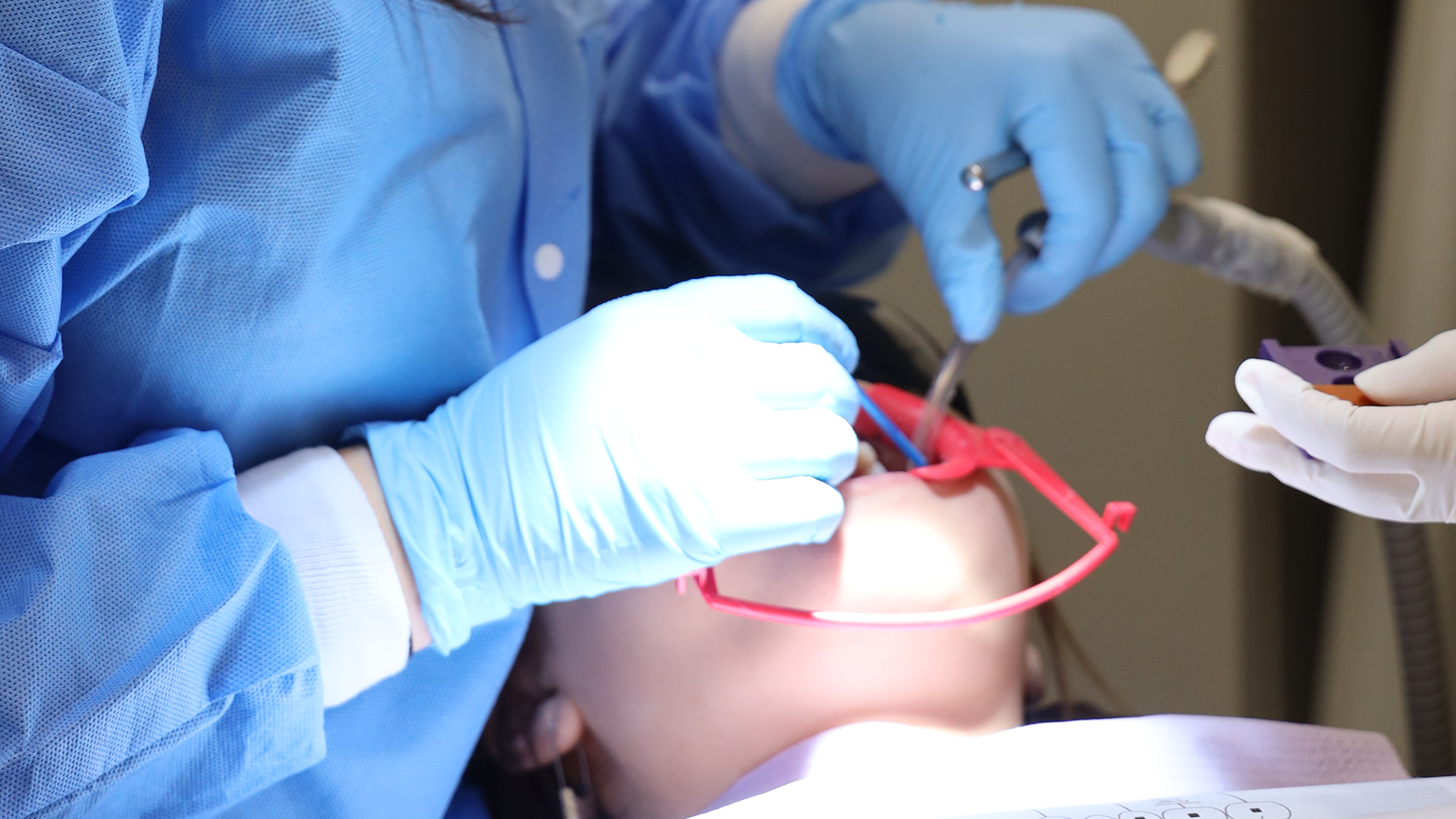
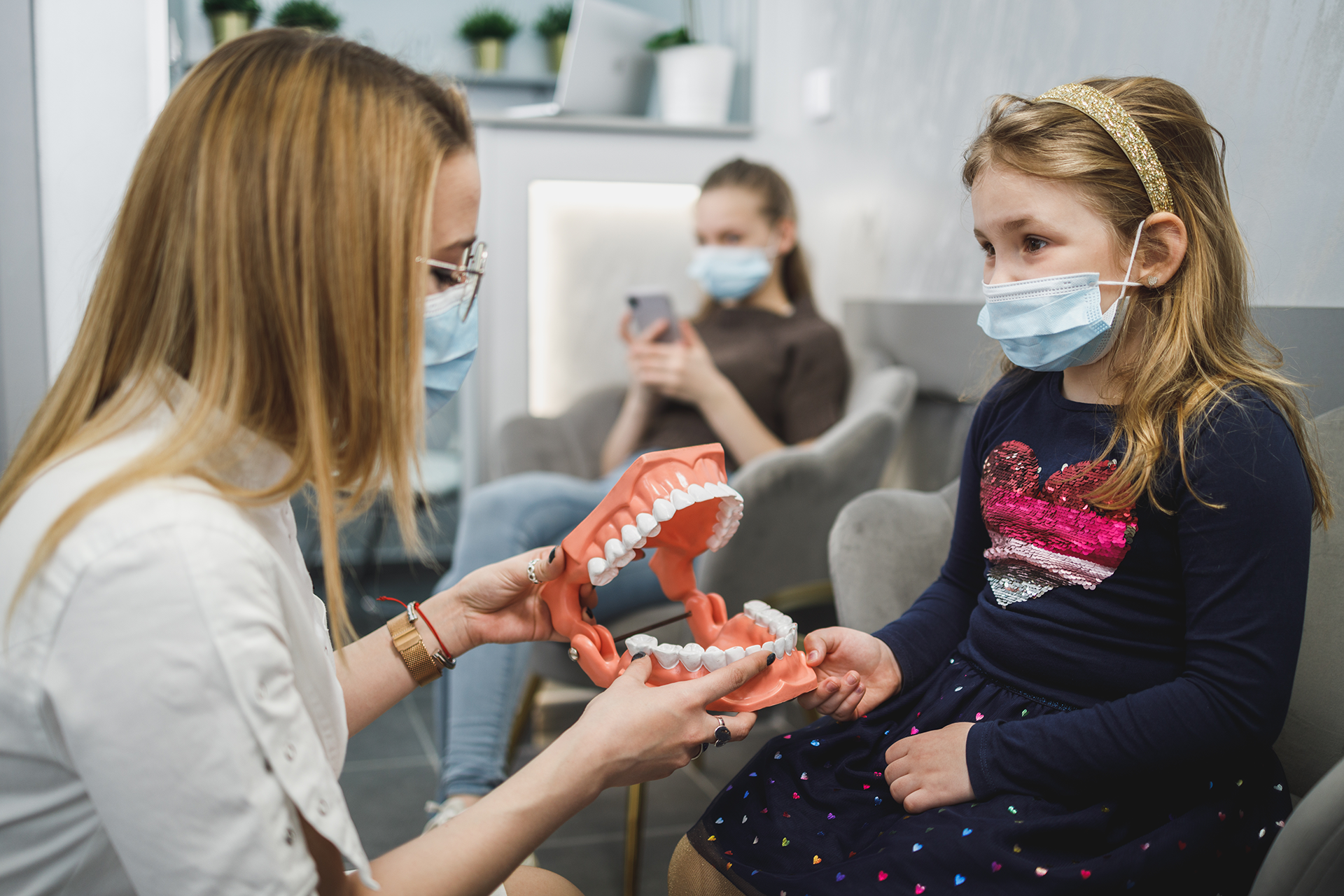
Orthodontic Interventions: Orthodontic treatments, such as expanding the upper jaw, can help widen the airway, reducing the risk of obstructions. Devices like oral appliances can also reposition the jaw to keep the airway open during sleep.
Surgery: In cases where enlarged tonsils or adenoids are causing the airway blockage, a surgical procedure called adenotonsillectomy may be recommended. This procedure involves removing the tonsils and adenoids to improve airflow.
Continuous Positive Airway Pressure (CPAP): CPAP therapy may be used in more severe cases. It involves using a machine that delivers a continuous stream of air through a mask worn during sleep, keeping the airway open.
Behavioural Therapies: Addressing certain behaviours, such as thumb-sucking or mouth breathing, can help reduce the risk of sleep apnea.