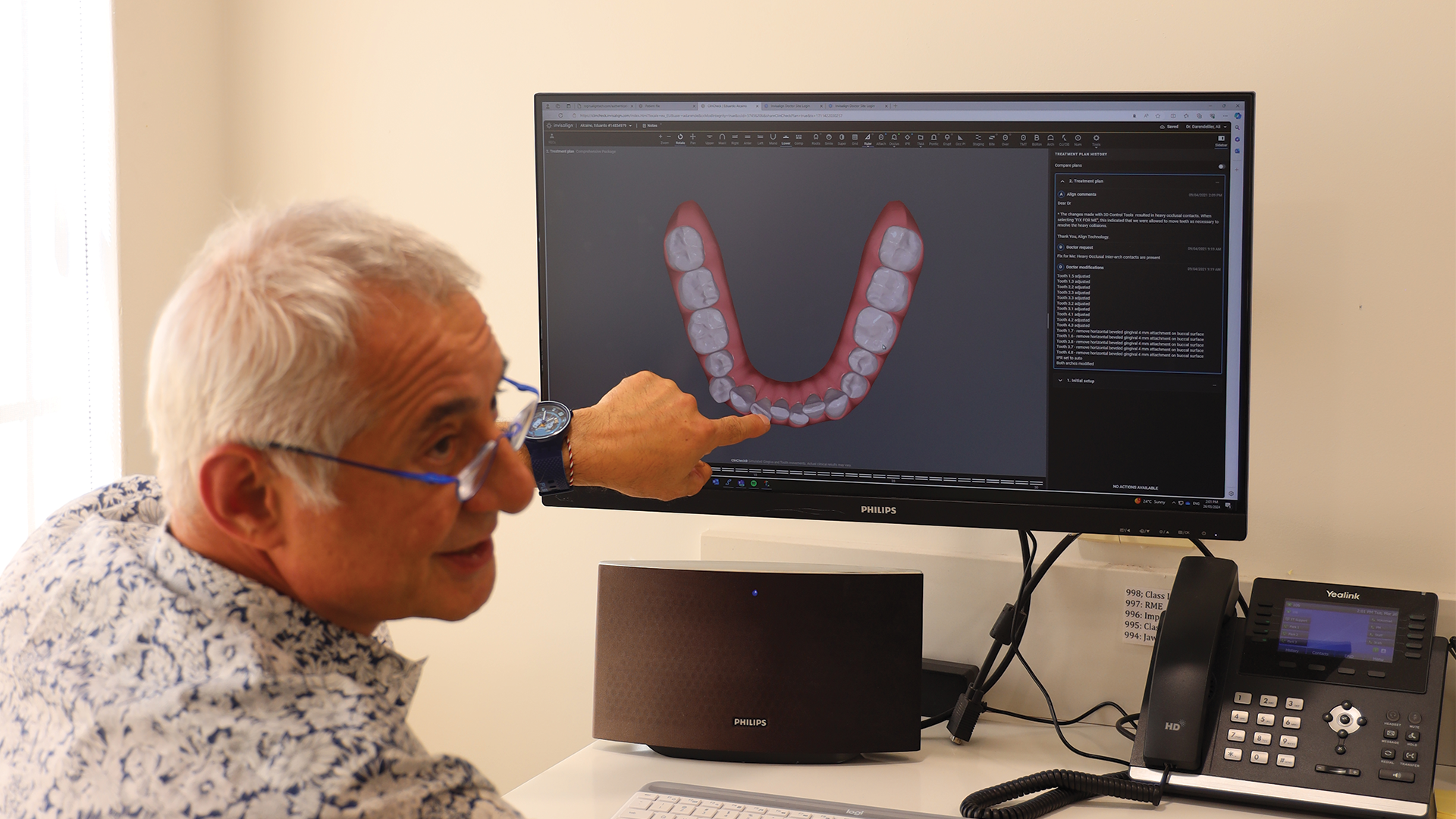
Invisalign: The Clear Choice for Discreet Treatment
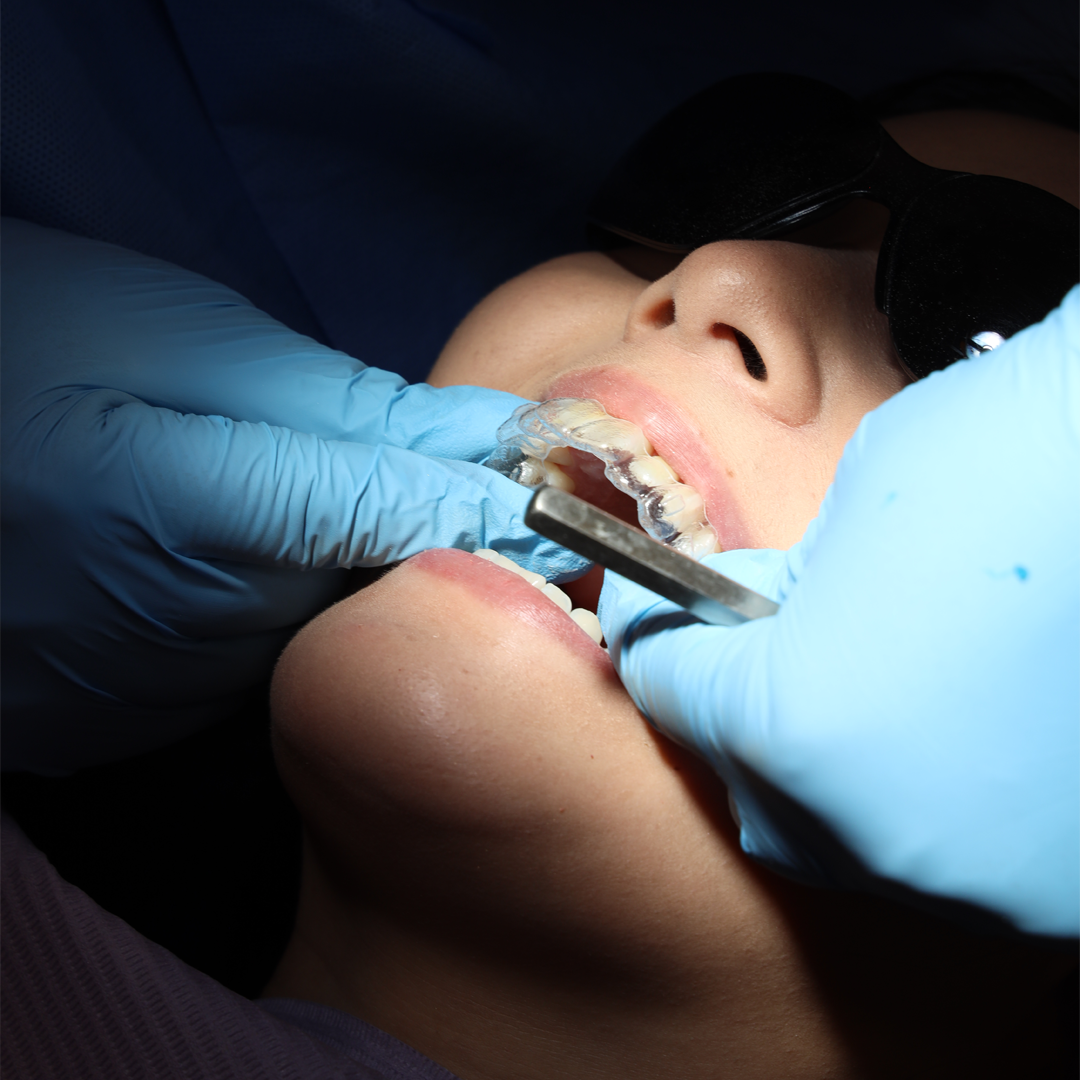
Pros of Invisalign:
Aesthetically Pleasing: Invisalign aligners are made of clear plastic, making them nearly invisible. This is a major advantage for adults and teens who want a discreet treatment option.
Removable: Invisalign aligners can be removed when eating, drinking, brushing, and flossing. This allows you to maintain your oral hygiene routine without the obstacles posed by traditional braces.
Comfortable: Made of smooth plastic, Invisalign aligners are generally more comfortable than metal braces, with no brackets or wires to cause irritation in the mouth.
Fewer Dietary Restrictions: Since aligners are removable, you can eat your favourite foods without worrying about damaging brackets or wires.
Cons of Invisalign:
Compliance is Key: For Invisalign to be effective, you must wear the aligners for 20-22 hours per day. If you’re not disciplined about wearing them consistently, your treatment may take longer or be less effective.
Limited for Complex Cases: Invisalign is highly effective for mild to moderate alignment issues, but complex cases involving severe misalignment, bite problems, or jaw discrepancies may require braces.
Potential for Loss or Damage: Since Invisalign aligners are removable, there is a risk of losing or damaging them, which can delay treatment and incur additional costs.
Braces: Tried and True for All Orthodontic Cases
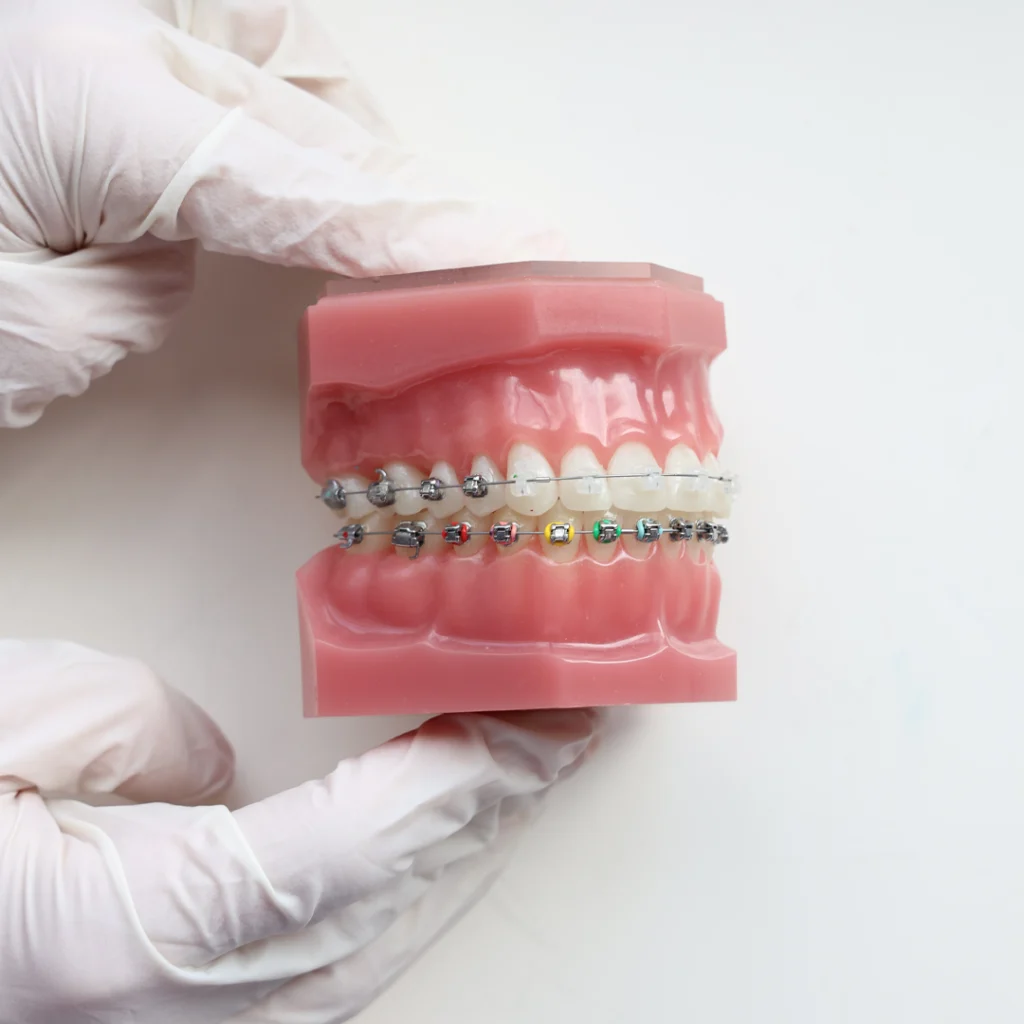
Pros of Braces:
Effective for Complex Issues: Braces are versatile and can handle a wide range of orthodontic issues, including complex misalignments, bite problems, and jaw discrepancies.
No Discipline Required: Unlike Invisalign, braces are fixed to your teeth. You don’t have to worry about remembering to wear them or the temptation to remove them.
Customisation Options: Modern braces offer customisation, including ceramic braces that are tooth-coloured for a more discreet look, or lingual braces that are placed on the back of the teeth.
Cons of Braces:
Aesthetic Concerns: Traditional metal braces are more noticeable than Invisalign, which may be a concern for those who want a subtle treatment option.
Oral Hygiene Challenges: Braces can make brushing and flossing more challenging, increasing the risk of plaque build-up if proper oral hygiene is not maintained.
Dietary Restrictions: With braces, you’ll need to avoid certain foods that can damage brackets and wires, such as hard, sticky, or chewy foods.
Which is Right for You?
Consultation is Key