
Kids Braces: What Parents Need to Know
Damon & Metal Teeth Braces
Helping your child achieve a healthy, confident smile starts with the right orthodontic care. At Lifestyle Orthodontics, we provide kids’ braces in Sydney tailored to support healthy dental development and long-term oral health. Our experienced team works closely with children and families to create personalised treatment plans in a comfortable and supportive environment.
Why Children May Need Braces
Braces are commonly used to correct orthodontic issues that affect tooth alignment and bite. Early treatment can improve both function and appearance while supporting proper oral development.
Children may benefit from braces if they have:
- Crooked or crowded teeth
- Gaps between teeth
- Overbite or underbite
- Crossbite
- Jaw alignment concerns
- Difficulty chewing or biting
- Protruding teeth
At Lifestyle Orthodontics, we assess your child’s teeth, jaw growth, and bite alignment to determine the most appropriate treatment approach.
When Should a Child First See an Orthodontist?
The Australian Society of Orthodontists recommends an assessment by around age seven. That is not because treatment usually starts then — most children are not ready — but because it is the point at which the adult teeth and jaw relationship are developed enough to show whether a problem is forming. An early appointment often ends with nothing more than a plan to review in twelve months.
Early Treatment and Full Treatment Are Different Things
Parents are often surprised that orthodontics for children can happen in two stages.
Early (interceptive) treatment
A short course of treatment while a child still has a mix of baby and adult teeth. It is used to guide jaw growth, create room for adult teeth coming through, or address a crossbite or habit before it affects development. It does not replace braces later, but it can reduce how much is needed.
Comprehensive treatment
The full course, usually started once most adult teeth are through — commonly between ages eleven and fourteen. This is the stage most people picture when they think of braces.
Not every child needs the first stage. Part of the assessment is deciding whether early treatment is worth doing or whether waiting is the better call.
Why a Growing Jaw Changes What Is Possible
Treating a child is not simply treating an adult on a smaller scale. While a child is still growing, we can influence how the jaws develop and relate to each other — an option that narrows considerably once growth finishes. It is why timing matters in children’s orthodontics in a way it does not for adults, and why some problems are much simpler to address at ten than at twenty.
What Parents Notice First
Most parents who book an assessment have spotted one of these:
- Adult teeth coming through crowded, crooked, or behind one another
- Baby teeth lost much earlier or later than their siblings or classmates
- Upper and lower teeth that do not meet properly, or a jaw that shifts to one side when biting
- Thumb sucking or a dummy habit continuing past the preschool years
- Difficulty biting or chewing, or teeth that stick out enough to be at risk during sport
None of these means treatment is definitely needed. They are the signs worth having looked at.
Orthodontic Braces Treatment Options
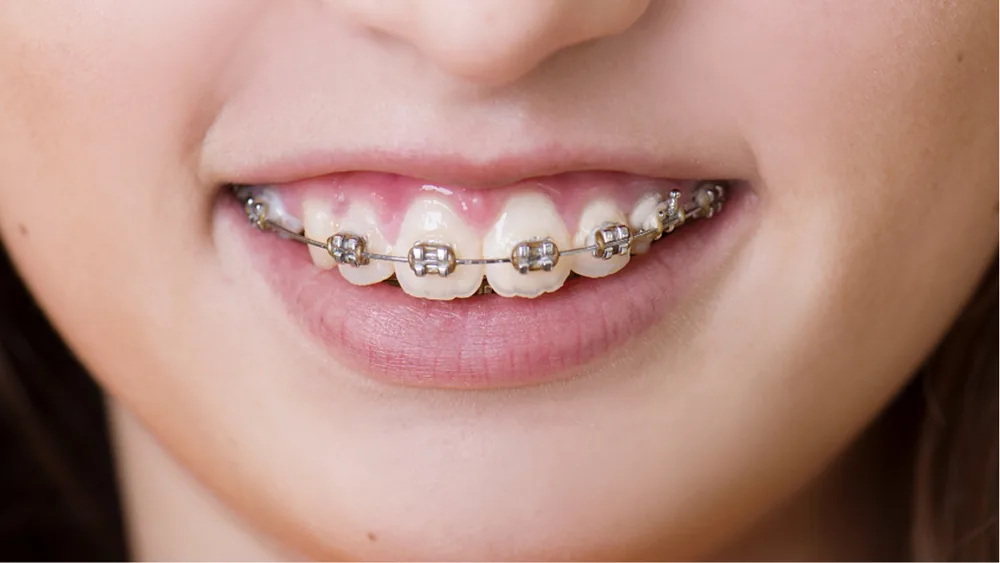
Metal Orthodontic Braces
Patients who are seeking the most affordable dental braces should consider conventional metal braces, which continue to be an extremely cost-effective option.
Metal dental braces consist of brackets, an arch wire, and elastic bands. Brackets are small, metal devices that are bonded to the front surface of each tooth. Brackets today are smaller and smoother than the brackets of just a few years ago. The arch wire is a single wire that is attached to each of the brackets and provides the force to move the teeth.
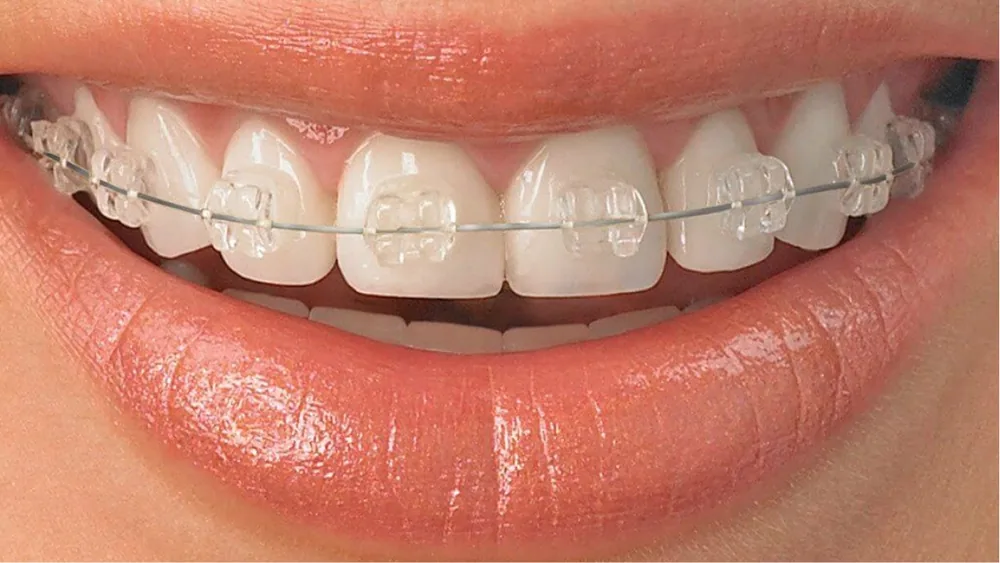
Transparent Braces
Patients who would like to minimise the appearance of braces should also consider clear braces.
Clear, or transparent, braces are quite similar to standard metal braces except that the brackets are made from a ceramic (composite material) rather than from metal. The ceramic is either clear or tooth-coloured, so that they blend with your teeth and are less noticeable than standard metal braces.
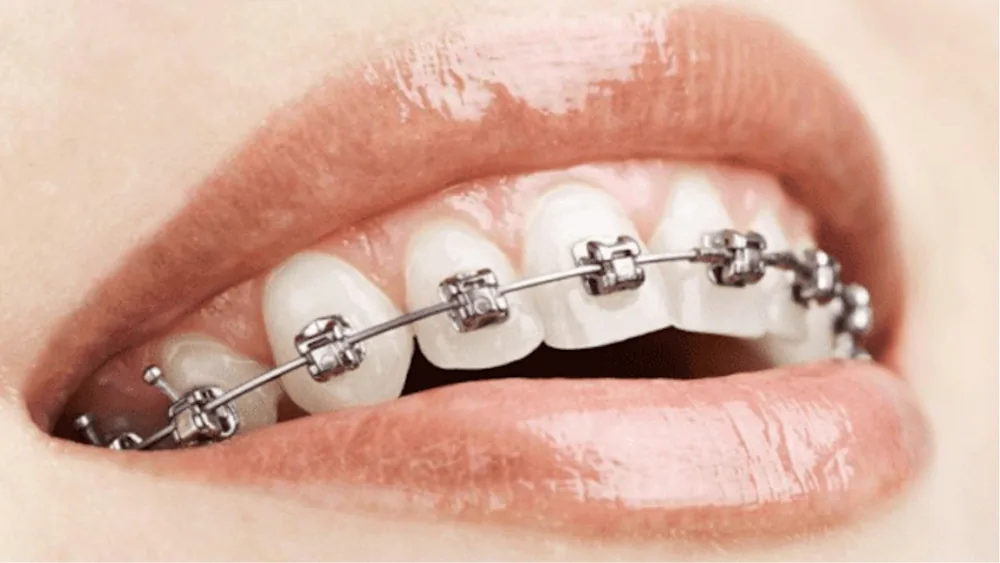
Damon Braces
Patients who are seeking a more comfortable option for dental braces should consider Damon braces, which use less force.
Damon braces, also known as self-ligating braces, are very similar to standard metal braces, except the metal brackets are smooth with rounded edges and are specially designed with a hinged opening to hold the arch wire in place.
Why Choose Braces?
Effective Results
Braces can correct a wide range of orthodontic issues, including crooked teeth, overbites, underbites, and gaps.
Durable and Reliable
Modern braces are designed to be strong and reliable, ensuring that your treatment is effective and efficient.
Customisable
With options like coloured bands for metal braces or clear brackets for ceramic braces, you can personalise your braces to suit your style.
Benefits of Kids Braces
Orthodontic treatment offers more than cosmetic improvements. Straightening teeth and correcting bite alignment can contribute to better oral health and long-term function.
Benefits of braces for children may include:
- Improved bite alignment
- Easier brushing and flossing
- Reduced risk of tooth wear
- Better chewing and speech function
- Improved jaw development
- Increased confidence and self-esteem
Early orthodontic care can also reduce the likelihood of more complex dental issues developing later in life.
How Do Braces Work?
Initial Consultation
Schedule a consultation with Professor Ali Darendeliler to discuss your orthodontic needs and determine the best type of braces for you.
Treatment Plan
We will create a customised treatment plan based on your specific needs and goals. This plan will outline the estimated duration of treatment and the expected results.
Fitting the Braces
Your braces will be carefully fitted to your teeth, ensuring comfort and effectiveness. You may experience some initial discomfort as your mouth adjusts to the braces.
Regular Adjustments
You will have regular appointments with our team to adjust your braces and ensure that your teeth are moving correctly. These adjustments are crucial for achieving the best results.
Completion and Retainers
Once your treatment is complete, we will remove your braces and provide you with retainers to maintain your new smile.
Why Choose Lifestyle Orthodontics?
At Lifestyle Orthodontics, we are committed to creating confident smiles through personalised orthodontic care. Patients across Sydney choose our clinic because we combine experience, technology, and patient-focused treatment in a welcoming environment.
Experienced Orthodontic Team
Our team has extensive experience treating a wide range of orthodontic concerns using modern braces and orthodontic techniques.
Advanced Technology
We understand that every smile is unique. Your treatment plan is customised to suit your individual needs and goals.
Personalised Care
We prioritise comfort, communication, and long-term results throughout every stage of treatment.
Frequently Asked Questions
At what age should children get braces?
Many children begin orthodontic treatment between the ages of 9 and 14, although every case is different.
How long do kids wear braces?
Treatment time varies depending on the complexity of the case, but many children wear braces for 12 to 24 months.
Are braces painful for kids?
Children may experience mild discomfort after adjustments, but this usually improves within a few days.
Can children still play sports with braces?
Yes. Children can continue playing sports while wearing braces. A mouthguard may be recommended for contact sports.
What foods should kids avoid with braces?
Sticky, hard, or chewy foods should generally be avoided to reduce the risk of damaging brackets or wires.
How often are orthodontic appointments needed?
Most children attend adjustment appointments every 4 to 8 weeks during treatment.
Are clear aligners suitable for children?
Clear aligners may be suitable for some older children and teenagers depending on their orthodontic needs and ability to wear aligners consistently.
Ready to Start Your Journey with Braces?
Contact Lifestyle Orthodontics today to schedule your consultation with Professor Ali Darendeliler. Let us help you achieve the smile you’ve always wanted.