
Complex Treatments Sydney: Orthodontic Care for Jaw, Bite and Tooth Problems
Some orthodontic problems go deeper than crooked teeth. When the upper and lower jaws don’t line up, a tooth is stuck under the gum, or adult teeth never formed, treatment needs more planning, more tools and sometimes more than one specialist. Our complex treatments in Sydney cover these cases, from surgical orthodontics alongside jaw surgery to non-surgical options such as temporary anchorage devices. We see patients at our Woollahra and Mosman practices, and every plan starts with a detailed assessment so you understand your options before anything begins.
What Makes an Orthodontic Case Complex?
A case is usually called complex when the problem involves the jaws rather than just the teeth, or when braces or aligners on their own can’t reach a stable result. The difference matters: teeth can be moved into position, but a jaw that sits too far forward, too far back or is too narrow may need growth guidance in children or surgery in adults.
Signs your case may need complex orthodontic treatment:
- Your bite doesn’t meet properly. The front teeth don’t touch when you bite (open bite), or some upper teeth sit inside the lower teeth (crossbite).
- A severe overbite or underbite caused by the size or position of the jaws.
- Visible jaw misalignment, such as a chin that sits off-centre, facial asymmetry, or difficulty biting and chewing.
- A tooth that hasn’t come through, most often an upper canine.
- Adult teeth that never developed, known as hypodontia.
- You’re an adult and your jaws have finished growing, which limits what braces alone can change.
- Teeth that moved back after earlier orthodontic treatment.
Having one of these doesn’t automatically mean surgery. It means your plan needs a closer assessment.
Three Ways to Treat a Complex Case
Complex treatment generally follows one of three paths. Which one suits you depends mainly on whether the problem sits in the teeth or the jaws, and whether you are still growing.
| Approach | Who it may suit | What it changes | Who is involved |
|---|---|---|---|
| Orthodontics alone (braces or aligners, sometimes with TADs or extractions) | Mild to moderate jaw differences, tooth-position problems, impacted or missing teeth | Moves teeth to compensate for a jaw difference. Does not change jaw size. | Orthodontist, with your dentist |
| Growth modification | Children and teenagers who are still growing | Uses appliances such as expanders or functional appliances to guide how the jaws develop | Orthodontist |
| Surgical orthodontics (braces plus jaw surgery) | Adults with a significant jaw discrepancy, once growth has finished | Repositions the jaws themselves, with braces aligning the teeth before and after | Orthodontist and oral and maxillofacial surgeon |
Your orthodontist will explain which paths are realistic for your case, and what each one can and can’t achieve.
Our Complex Treatment Options
Surgery
Orthognathic (jaw) surgery, performed by an oral and maxillofacial surgeon, repositions the jaws when braces alone can’t correct the bite.
Surgical Plates
Small titanium plates and screws hold the jaw in its new position after surgery while the bone heals.
Extractions
Removing selected teeth, usually premolars, to create space or correct how the upper and lower teeth fit together.
Temporary Anchorage Devices (TADs)
Small titanium mini-screws that give braces or aligners a fixed anchor point for tooth movements that would otherwise be difficult.
Missing or Impacted Teeth
Guiding impacted canines into place, and closing or holding space where adult teeth never developed.
Surgical Orthodontics: How Braces and Jaw Surgery Work Together
Surgical orthodontics combines orthodontic treatment with orthognathic (jaw) surgery to correct a jaw discrepancy that braces can’t fix on their own. The orthodontist moves the teeth into the right position for each jaw, an oral and maxillofacial surgeon repositions the jaws, and the orthodontist then fine-tunes the bite.
Can Adults Have Surgical Orthodontics?
Yes. Jaw surgery is usually planned once facial growth has finished, so most patients are older teenagers or adults. There is no fixed upper age limit. Suitability depends on your general health, the health of your gums and bone, and your goals, which the surgeon assesses with you.
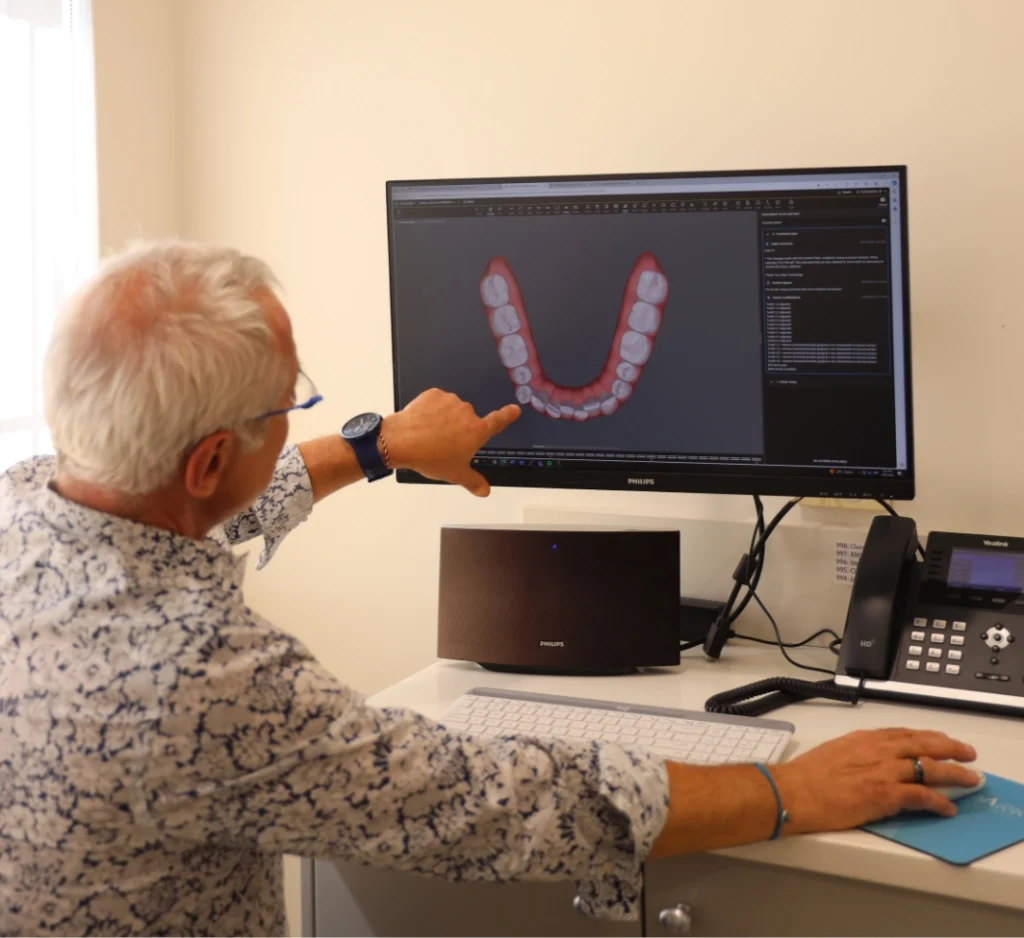
Who Does What
Diagnosis, joint planning with the surgeon, braces before and after surgery, and retainers.
Assesses you for surgery and performs the jaw surgery in hospital.
Ongoing check-ups, cleans and any restorative work.
We coordinate with the surgeon throughout, so the orthodontic and surgical plans are designed together rather than separately.
The Stages of Surgical Orthodontic Treatment
Assessment and Planning
Records are taken and your case is planned jointly with the oral and maxillofacial surgeon.
Braces Before Surgery
Braces align each set of teeth to fit where the jaws will be after surgery. Your bite can look worse during this stage, which is expected. It commonly takes around 12 to 18 months.
Jaw Surgery
The surgeon performs the operation in hospital under general anaesthetic. The repositioned jaw is usually held with small titanium plates and screws while the bone heals. Your surgeon will explain recovery in detail.
Braces After Surgery
The orthodontist refines how the teeth meet, commonly over 6 to 12 months.
Retainers
Retainers help hold the new position of your teeth long term.
Bite Problems That Often Need Complex Treatment
Several bite problems can be simple or complex, depending on whether the teeth or the jaws are the cause.
Crossbite
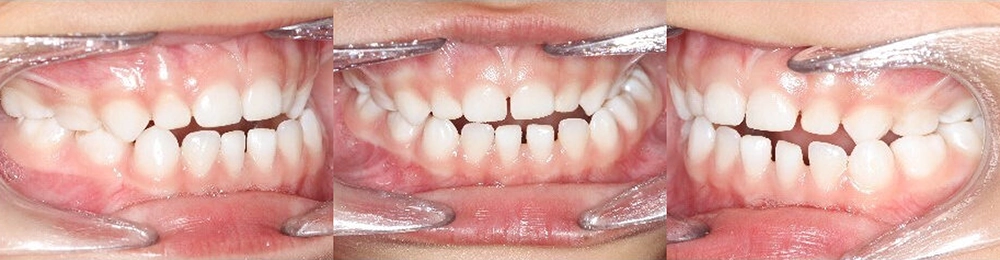
A crossbite is when some upper teeth sit inside the lower teeth when you bite. In children, a narrow upper jaw can often be widened with an expander while the palate is still growing. In adults, where the bone has fused, widening may need an expander anchored with TADs or a surgically assisted approach.
Open Bite
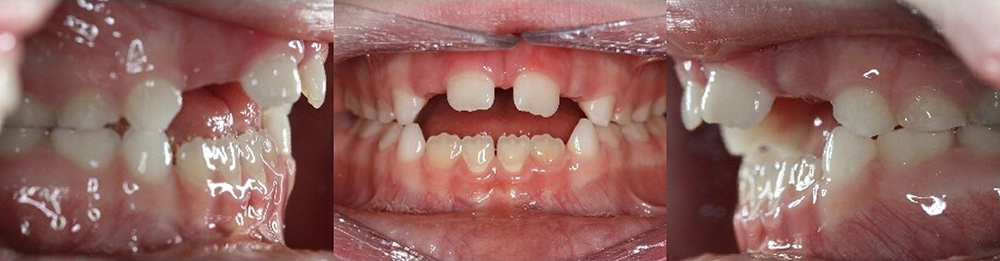
An open bite is when the front teeth don’t meet while the back teeth are together. Habits such as thumb sucking or tongue position can contribute, as can the way the jaws have grown. Treatment may include habit management in children, TADs to reposition the back teeth, or jaw surgery when the cause is skeletal.
Severe Overbite and Underbite
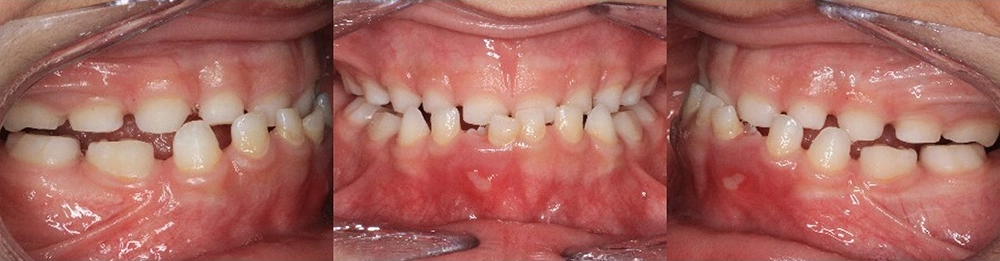
When an overbite or underbite comes from the size or position of the jaws rather than the teeth, it may need growth modification or surgical orthodontics. Read more on our overbite treatment and underbite treatment pages.
Impacted Canines
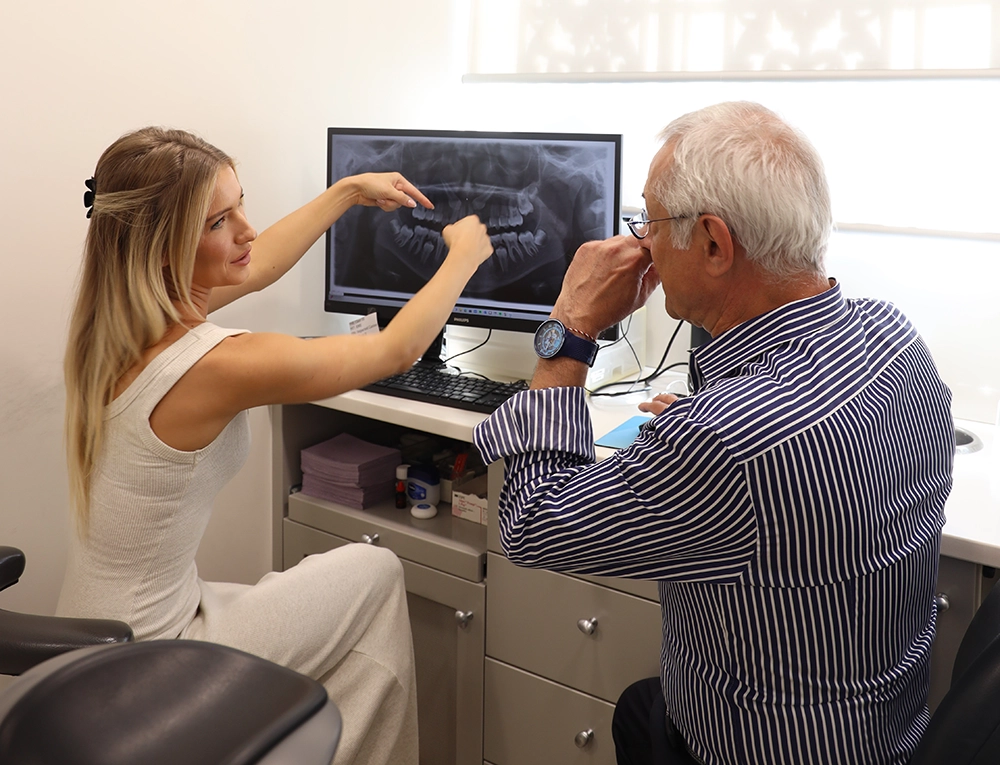
An impacted canine is an adult eye tooth that is blocked from coming through the gum. After wisdom teeth, upper canines are the teeth most often impacted. Treatment usually means creating space, having the tooth uncovered by a surgeon, and then gently guiding it into place with braces.
- Early checks can help. In some younger children, removing the baby canine at the right time allows the adult tooth to come through on its own. This is one reason the Australian Society of Orthodontists recommends a first orthodontic check by around age 7. See child orthodontics.
- Expose and bond. A surgeon uncovers the tooth in a minor procedure and a small attachment is bonded to it. Braces then bring the tooth down into the arch over several months.
- When a canine can’t be moved. If the tooth is in a position that can’t be guided, the options include removing it and either closing or replacing the space. We plan this with your dentist.
Missing Teeth (Hypodontia)
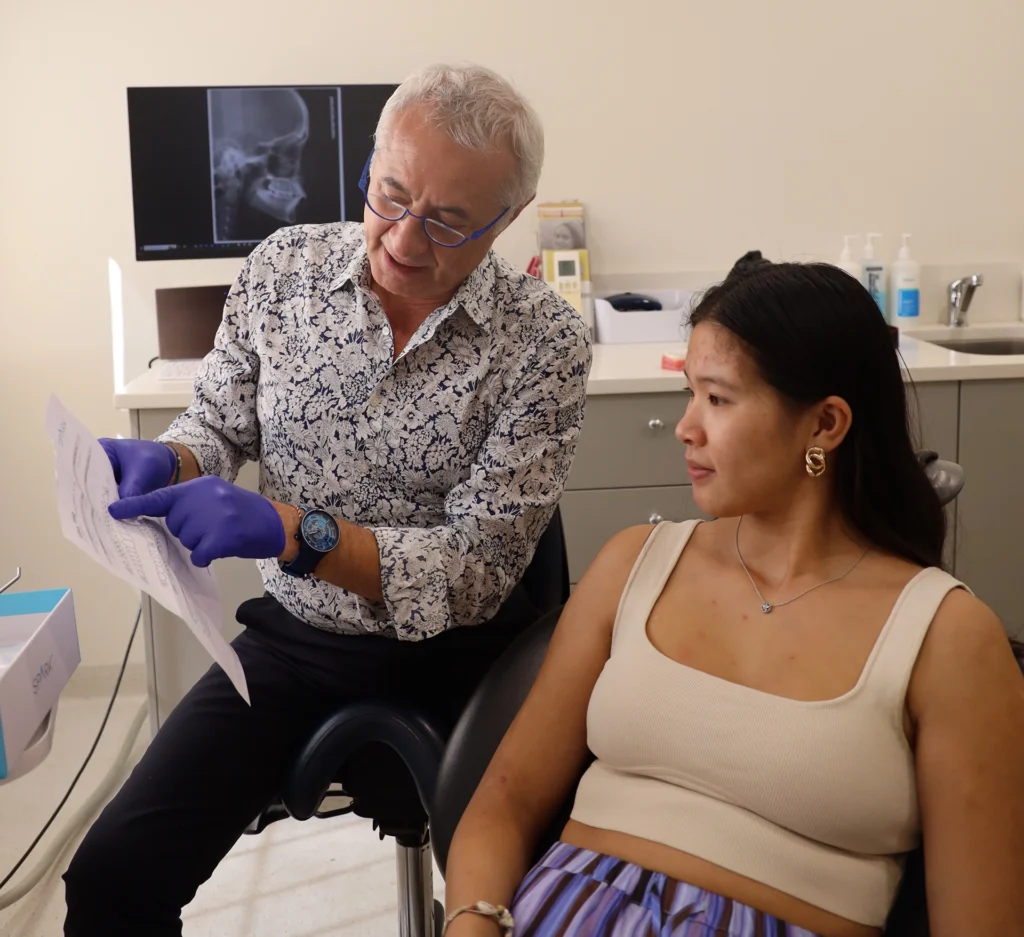
Hypodontia means one or more adult teeth never developed. Apart from wisdom teeth, the teeth most often missing are the upper lateral incisors (beside the front teeth) and the lower second premolars. Orthodontic treatment either closes the gap or opens and holds the space so your dentist can replace the tooth later.
Closing the Space or Keeping It
The right choice depends on your bite, how your smile looks with the gap closed, the condition of any baby tooth still in place, and your age. We’ll show you what each option involves before you decide.
Planning Ahead for Implants
Dental implants are generally placed once growth has finished, so a teenager may wear a temporary replacement tooth for some years. We plan the space with your dentist or prosthodontist so it is the right size when the time comes.
Temporary Anchorage Devices (TADs)
Temporary anchorage devices are small titanium mini-screws placed in the jawbone to give braces or aligners a fixed point to push or pull against. They make some tooth movements possible without headgear and, for some patients, without surgery.
Under local anaesthetic, usually in a short appointment.
You may feel pressure during placement, and mild tenderness for a few days is common.
Taken out once they are no longer needed, usually in a quick appointment.
Closing gaps, moving back teeth to reduce protrusion, repositioning back teeth in an open bite, and anchoring expanders in adults.
When Extractions Are Part of the Plan
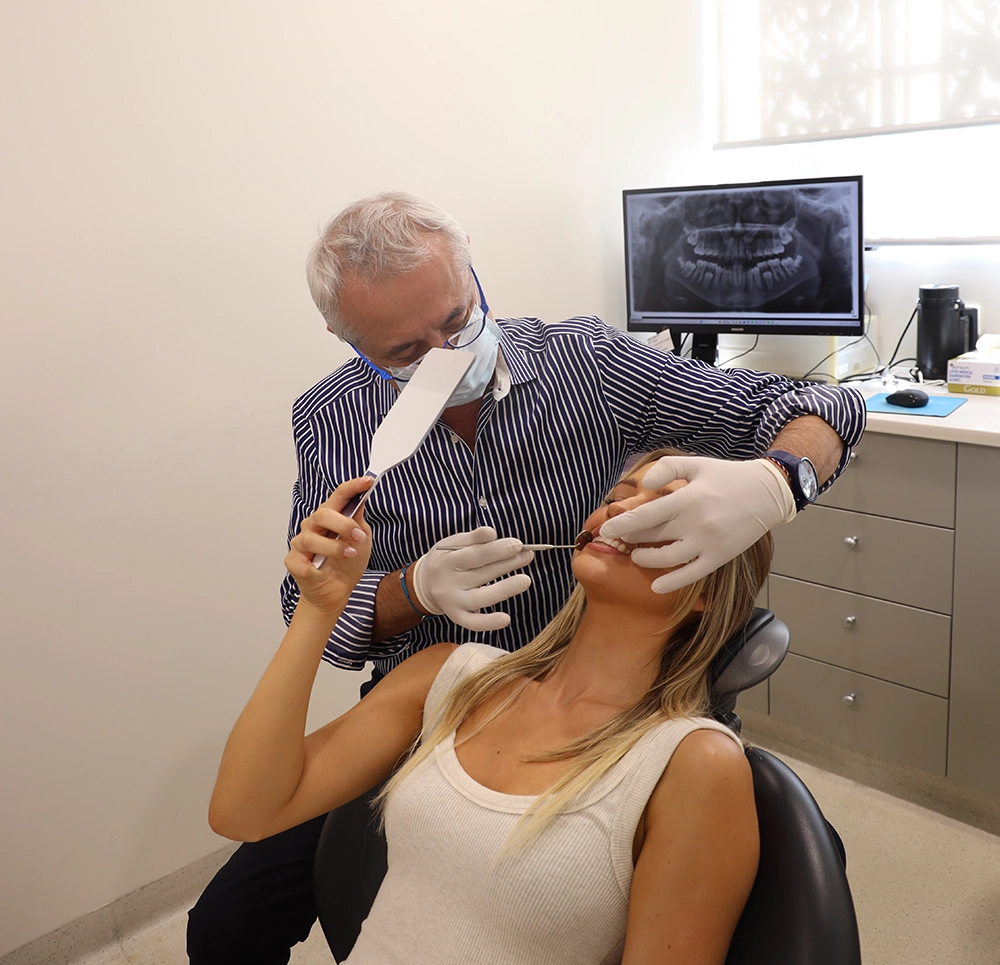
Some complex cases need teeth removed, usually premolars, to create space or to correct how the upper and lower teeth fit together. We only recommend extractions when the assessment shows they will help your bite.
Where expansion or TADs could create the space instead, we’ll discuss that option with you too.
Children and Adults Need Different Approaches
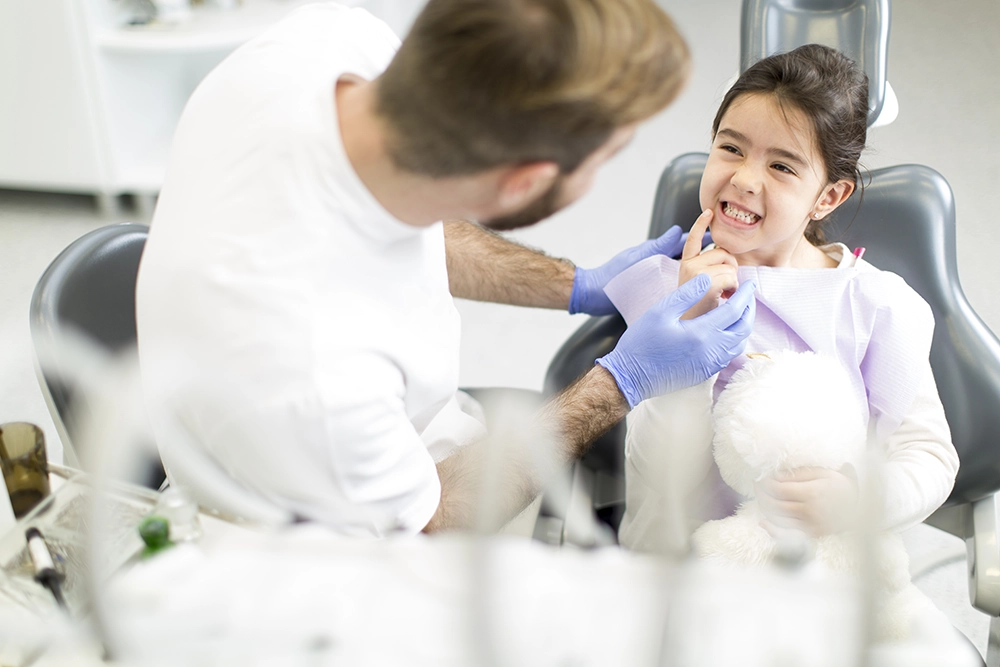
Age changes what is possible, because a growing jaw can be guided while an adult jaw can only be repositioned surgically.
Children and Teenagers
- Early checks from around age 7
- Expanders and functional appliances
- Monitoring of erupting canines
See child orthodontics and kids braces.
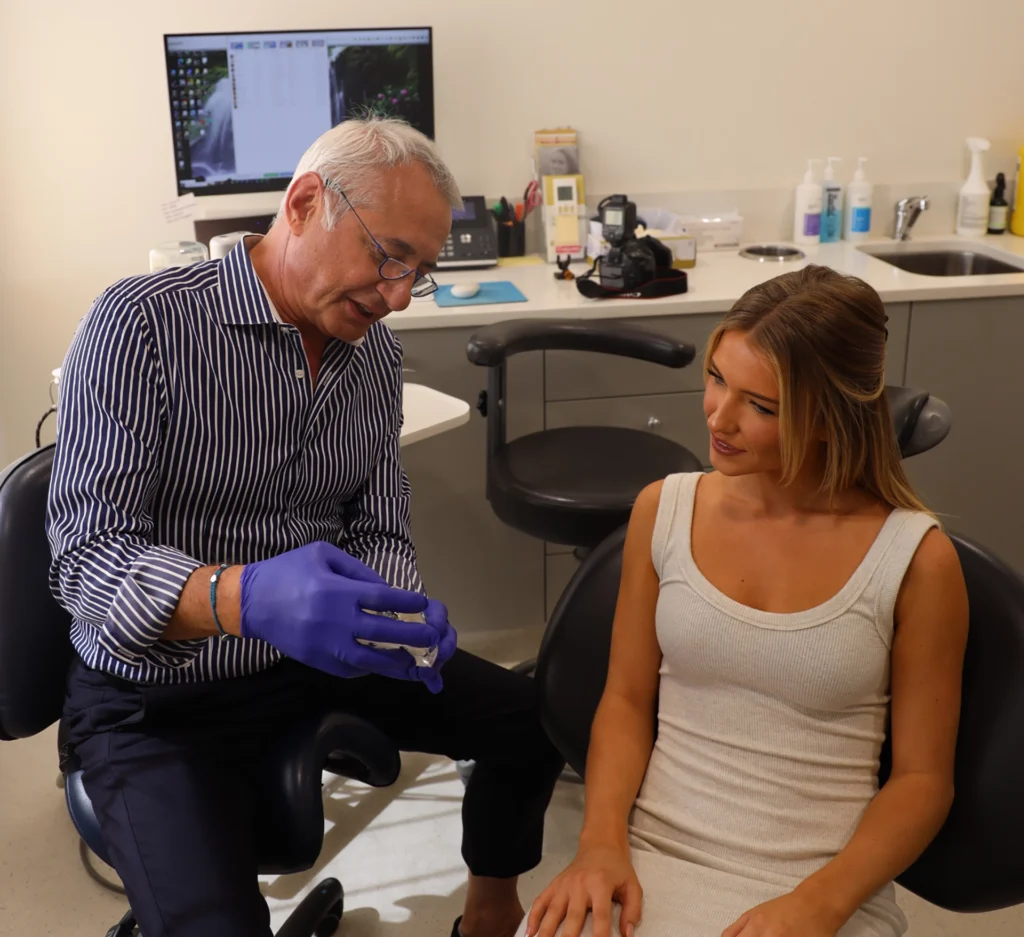
Adults
- Braces or clear aligners
- TADs for difficult tooth movements
- Surgical orthodontics when the jaw position needs to change
See adult orthodontics.
What Happens at Your Complex-Case Assessment
Consultation
We talk through your concerns, your medical and dental history, and what you’d like to change.
Records
Photos, a 3D digital scan of your teeth, and x-rays such as a panoramic x-ray (OPG) and a side view of the skull (lateral cephalogram) that shows how the jaws relate. A 3D scan of the bone may be needed in some cases, such as locating an impacted tooth.
Diagnosis and Options
We explain what is causing the problem, which approaches are realistic, the likely timeframe, and who else may need to be involved.
Coordinated Care
If you need a surgeon, your dentist or another specialist, we coordinate the plan with them.
Treatment and Monitoring
Regular appointments track your progress. For suitable patients, Dental Monitoring lets us check progress between visits using your phone.
Who Will Treat You
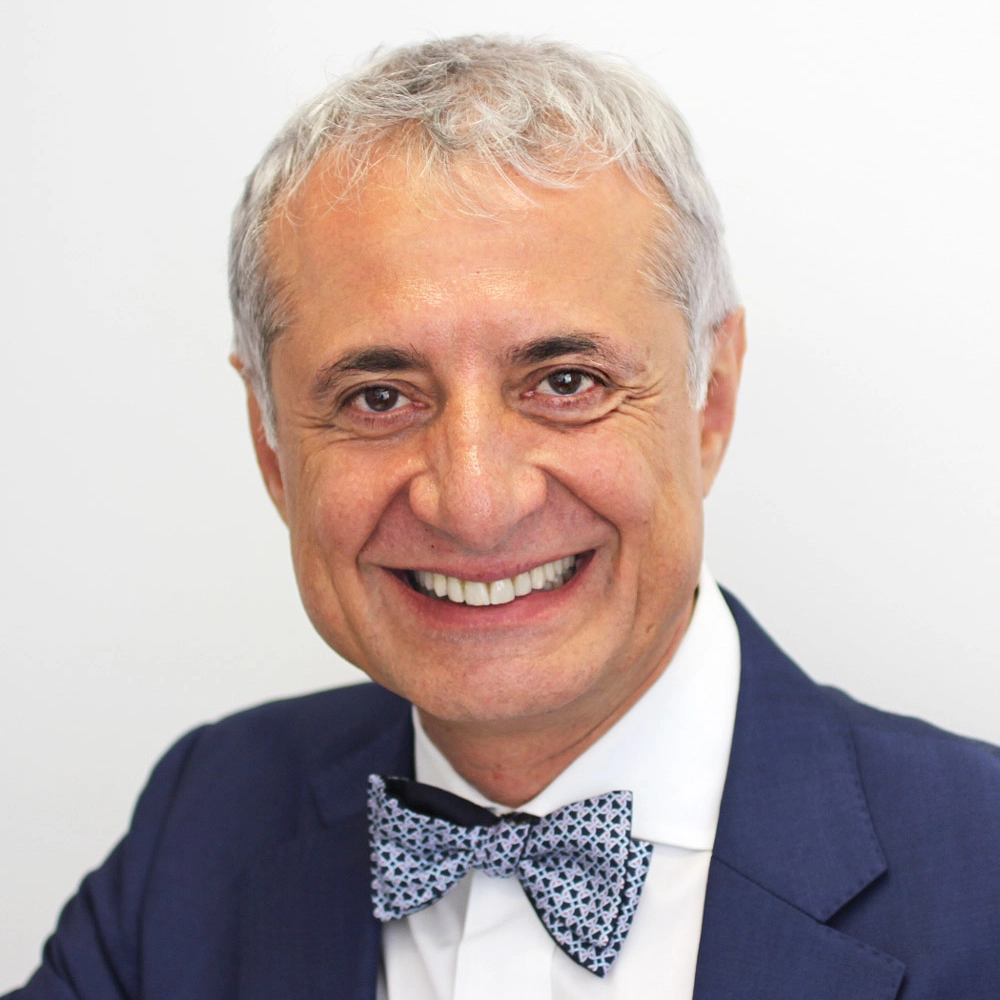
Complex treatments are planned by our orthodontic team, led by Professor Ali Darendeliler.
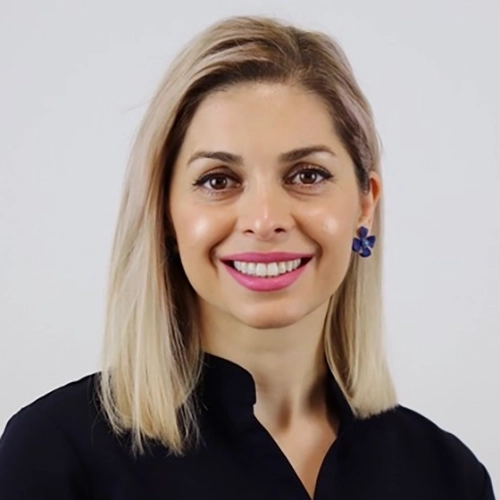
Dr Roshanak (Roshy) Boustan
DDS, MSC (Lond), MOrth (RCSEd). An Australian orthodontic board and AHPRA registered specialist orthodontist. She is also a Visiting Orthodontist at Westmead Children’s Hospital Cleft and Craniofacial Department, and has a special interest in growth modification and extreme malocclusions.
What Affects the Cost of Complex Treatment
Because complex cases vary so widely, we provide a written quote after your assessment rather than a general figure. The main factors are:
- The approach you need: orthodontics alone, growth modification or surgical orthodontics.
- Treatment length and the number of appointments.
- The appliances used: type of braces, aligners, expanders or TADs.
- Other specialists’ fees: the surgeon, hospital and anaesthetist bill separately.
- Retainers after treatment.
Payment plans are available. See our finance options. Your health fund can tell you what your extras cover contributes.

For Referring Dentists
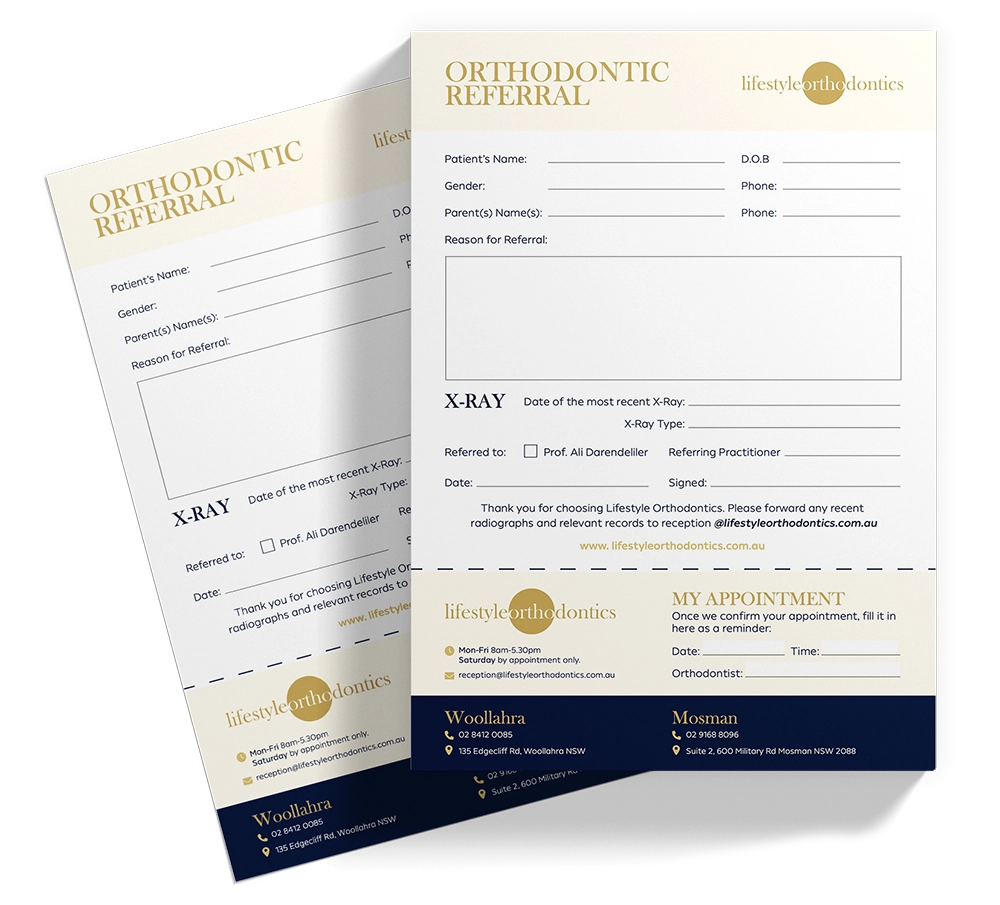
We accept referrals for complex orthodontic cases from general dentists and specialists. To help us assess the patient quickly, please include:
- Any recent radiographs (OPG, lateral ceph or CBCT)
- A short summary of your concerns
- Any restorative plans, such as future implants
Frequently Asked Questions
What makes an orthodontic case complex?
A case is complex when the problem involves the position or size of the jaws, missing or impacted teeth, or when braces or aligners alone can’t produce a stable bite. It often needs extra tools such as TADs, expanders or jaw surgery, and sometimes more than one specialist.
Will I need jaw surgery?
Not necessarily. Surgery is generally considered when the jaws are significantly out of position and you’ve finished growing. Many complex cases are treated with braces or aligners combined with TADs, expansion or extractions. Your assessment will show which applies to you.
Is 30 too late for jaw surgery?
No. Surgical orthodontics is commonly carried out in adults, because jaw surgery is usually done after growth has finished. Suitability depends on your general health and the health of your gums and bone rather than your age alone.
What is the difference between braces and surgical braces?
The braces themselves are usually the same. The difference is the goal. Before surgery, braces position the teeth to fit where the jaws will be after the operation, not where they are now, so the bite can look worse before it improves.
How long does complex orthodontic treatment take?
It depends on the approach. Surgical orthodontics commonly takes around two years overall, including braces before and after surgery. Non-surgical complex cases vary with the movements needed. You’ll receive an estimated timeframe after your assessment.
Does complex treatment hurt?
Most steps cause discomfort rather than pain. Teeth often feel tender for a few days after braces are fitted or adjusted, and TADs are placed under local anaesthetic, so you may feel pressure. Recovery after jaw surgery is a bigger consideration, and your surgeon will explain what to expect and how it’s managed.
Can complex cases be treated with clear aligners?
Some can. Aligners can be combined with TADs for certain tooth movements. Whether they suit you depends on the tooth and jaw movements needed.
Do I need a referral?
No. You can book an assessment directly, or your dentist can refer you through our dentist referral form.
Book a Complex Treatment Assessment in Sydney
If you’ve been told your case is complex, or you’re unsure why earlier treatment didn’t hold, an assessment will explain your options clearly. See us at 135 Edgecliff Road, Woollahra, or Suite 2, 600 Military Road, Mosman.