
Magnetic Orthodontics in Sydney
Magnetic orthodontics uses small rare earth magnets to move teeth with a gentle, continuous force. At Lifestyle Orthodontics in Woollahra and Mosman, we may use this technique in selected cases, alongside braces or clear aligners.
What Is Magnetic Orthodontics?
Magnetic orthodontics is the use of small permanent magnets, fitted to braces or removable appliances, to generate the force that moves teeth. Because magnets attract or repel one another without touching, the force can act across a gap and stays steady between appointments.
How magnets move teeth
Teeth move when a light, sustained force is applied and the surrounding bone remodels around them. A magnet supplies that force continuously, rather than in the decreasing bursts a wire or spring delivers after each adjustment.
Attractive and repulsive configurations
Two magnets with opposite poles facing each other pull together, closing a space or drawing a buried tooth towards the arch. Reversed, they push apart, which is used to move teeth backwards or open space. We choose the orientation to suit the tooth’s movement.
Which magnets are used
The magnets used are rare-earth types, most commonly neodymium iron boron and, historically, samarium cobalt. They are tiny, sealed inside a biocompatible casing, and strong enough to be useful at a size that sits comfortably in the mouth.
Are Braces Magnetic?
No. Standard braces are not magnetic and contain no magnets. Conventional brackets and wires move teeth mechanically, through the elasticity of the archwire and the elastics attached to it. Magnetic orthodontics is a separate and far less common technique in which purpose-made magnets are deliberately added to an appliance to create the force. If you have ordinary braces or clear aligners, no magnets are involved.
What Magnetic Orthodontics Can Treat
Moving molars backwards
The best-established use is molar distalisation, moving the back teeth backwards to create space at the front. Repelling magnets provide a steady push that does not fade between visits.
Impacted and unerupted teeth
An attracting magnet can draw an impacted tooth, often an upper canine, towards its correct position without needing direct contact. That is useful when the tooth is deeply buried.
Bite correction in growing patients
Magnetic functional appliances have been used to help correct Class II bites in children and teenagers while the jaws are still growing. The Magnetic Activator Device II and the Sydney Magnoglide are two appliances developed in this field.
Space closure and open bite
Magnets have also been used to close spaces along the arch and to correct anterior open bite, usually as one component of a broader plan.
The Benefits, and the Honest Limits
The orthodontic literature has documented what magnets do better than conventional force systems. There is no friction from a tooth sliding along a wire, the force level is predictable, and it does not fade between visits. It also depends less on a patient remembering to wear elastics.
The limits are worth making clear. Magnetic orthodontics is not a replacement for braces or clear aligners. It is a specialised technique used for particular movements in selected cases, almost always as part of a broader plan rather than on its own. Most patients are treated well with conventional appliances, and we will tell you plainly if that is the case for you.
Is Magnetic Orthodontics Safe?
Biocompatibility and coating
Rare earth magnets are encased so they do not come into direct contact with oral tissue. The casing also guards against corrosion, which is the main practical concern with these materials in the mouth.
Magnetic fields and surrounding tissue
The biological effects of the magnetic fields used in orthodontics have been studied specifically, and this is one of Professor Darendeliler’s own research areas. The fields are small and confined to the area around the appliance.
MRI scans and imaging
Tell your orthodontist and your radiographer if you have any magnetic appliances before an MRI. Magnets can distort images and, depending on the scan, may need to be removed beforehand. This is straightforward to plan for when everyone knows in advance.
A Sydney Practice at the Origin of the Research
Very few practices anywhere can speak about magnetic orthodontics from first-hand research. Professor Ali Darendeliler, who leads Lifestyle Orthodontics, co-authored Clinical application of magnets in orthodontics and biological implications: a review, published in the European Journal of Orthodontics in 1997 and cited more than seventy times since. He co-developed the Magnetic Activator Device II and evaluated the Sydney Magnoglide magnetic functional appliance, and magnetic fields and forces remain among his stated research interests as a Professor of Orthodontics. You can read more about our team.
Is Magnetic Orthodontics Right for You?
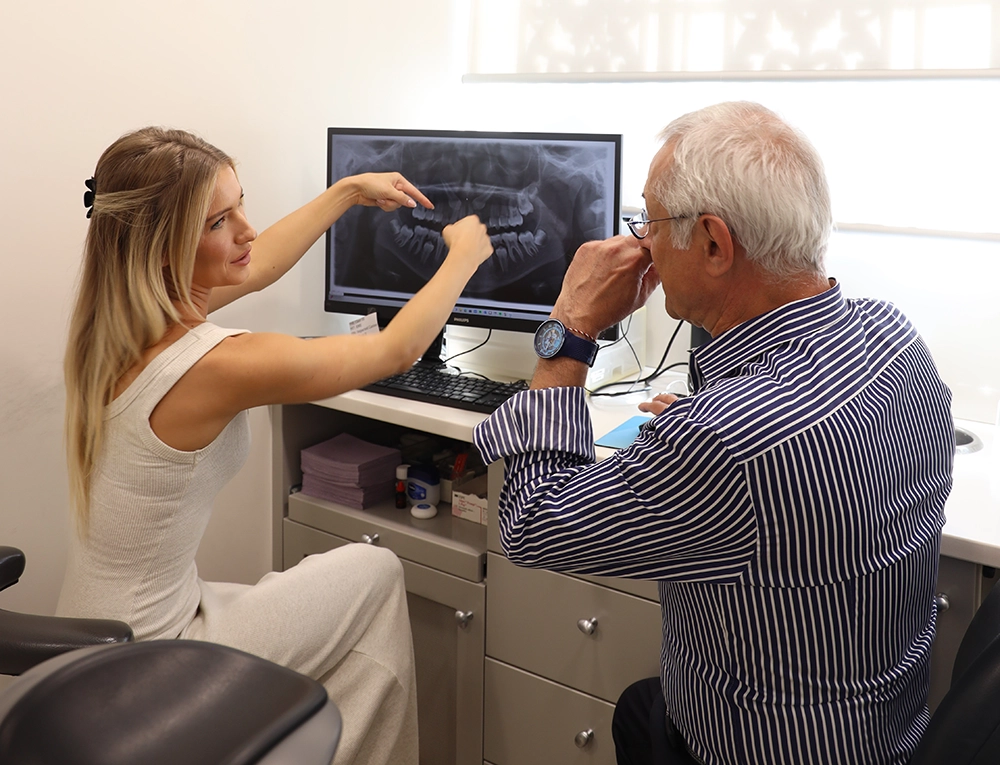
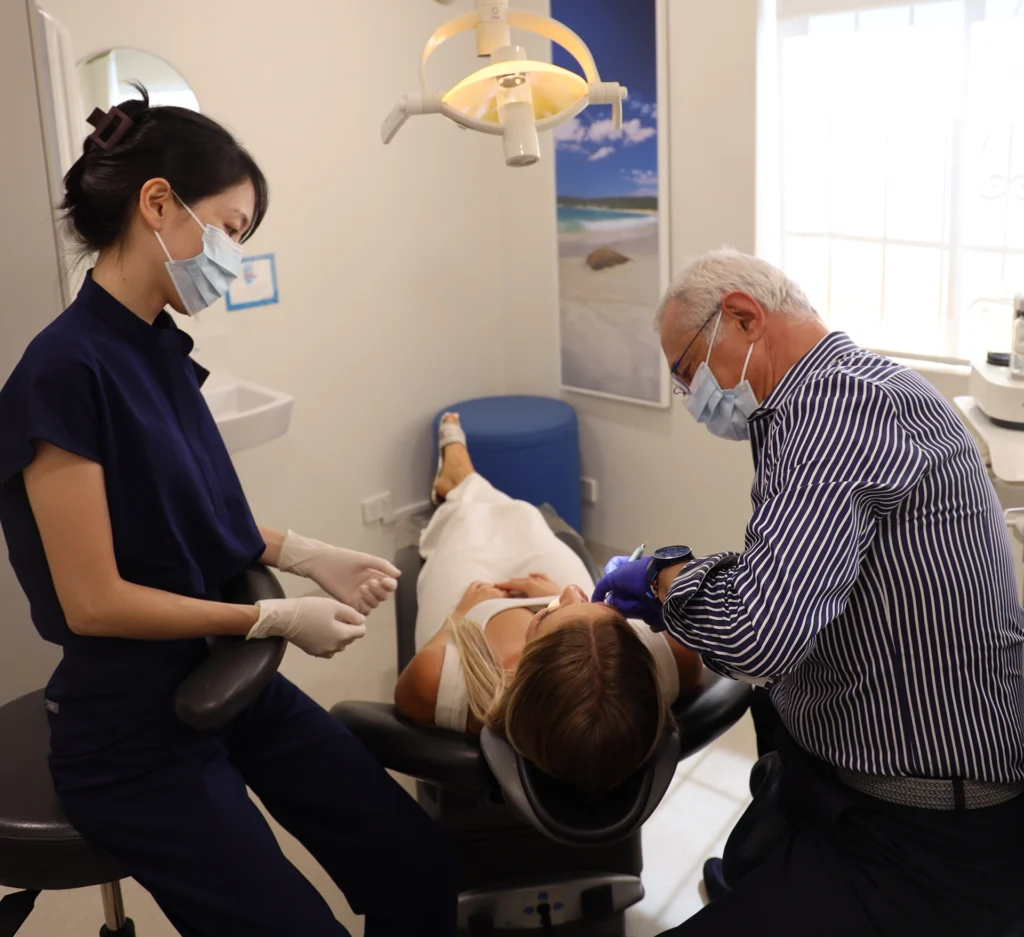
What matters is the movement your teeth need. The technique follows from that. At your consultation, we examine your teeth and bite, take X-rays and a digital scan, and plan around the result you want. If a magnetic component would help, we will explain exactly where it fits. If Invisalign treatment, conventional braces or a complex orthodontic plan is the better route, we will recommend that instead.
FAQS
Frequently Asked Questions
Are orthodontic braces magnetic?
No. Standard braces contain no magnets and move teeth through the archwire and elastics. Magnetic orthodontics is a separate technique in which purpose-made magnets are added to an appliance to generate force, and it is used only in selected cases.
What are the uses of magnets in orthodontics?
Magnets are used to move molars backwards, to draw impacted or unerupted teeth into the arch, to help correct Class II bites in growing patients, to close spaces and, in some cases, to correct anterior open bite.
Is magnetic orthodontics safe?
The magnets used are small and sealed in a biocompatible casing so they do not come into direct contact with oral tissue. Their biological effects have been studied in the orthodontic literature. As with any appliance, we monitor them throughout your treatment.
Can I have an MRI with magnetic orthodontics?
Tell your orthodontist and radiographer before any MRI. Magnets can distort the images and may need to be removed depending on the scan being taken. Let us know as soon as a scan is booked, and we will advise you.
Does magnetic orthodontics hurt?
Magnets work gently by design. You may notice mild pressure as teeth begin to move, which is normal for any orthodontic treatment. A continuous light force is often more comfortable than the tighter sensation that follows a conventional adjustment.
Is magnetic orthodontics available in Australia?
It is uncommon and offered by very few practices. Lifestyle Orthodontics considers it in selected cases at our Woollahra and Mosman clinics, drawing on Professor Darendeliler’s published research in this exact field.
Is it suitable for children and adults?
It can be used across ages where the movement suits it. Magnetic functional appliances are associated with growing patients, while distalisation and impacted tooth traction apply to teenagers and adults as well. We decide that case by case.
How much does magnetic orthodontics cost?
Magnets are not priced separately. A magnetic component is part of an overall treatment plan, and the cost reflects the plan’s complexity and length. We provide a written quote at your consultation before treatment begins.