Creating Beautiful Smiles for Life
LINGUAL BRACES

Lingual Braces in Sydney

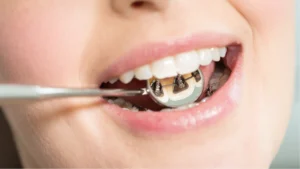
Lingual braces are fixed braces bonded to the inside surfaces of your teeth, on the tongue side, so they cannot be seen when you smile or speak. Each bracket is custom-made from a scan of your teeth. They suit adults and older teenagers who want fixed treatment that stays completely out of view.

HOW THEY WORK

What are lingual braces?

“Lingual” means the side of the tooth that faces the tongue. Lingual braces move teeth on the same principles as conventional braces, but the brackets and archwire sit behind the teeth.

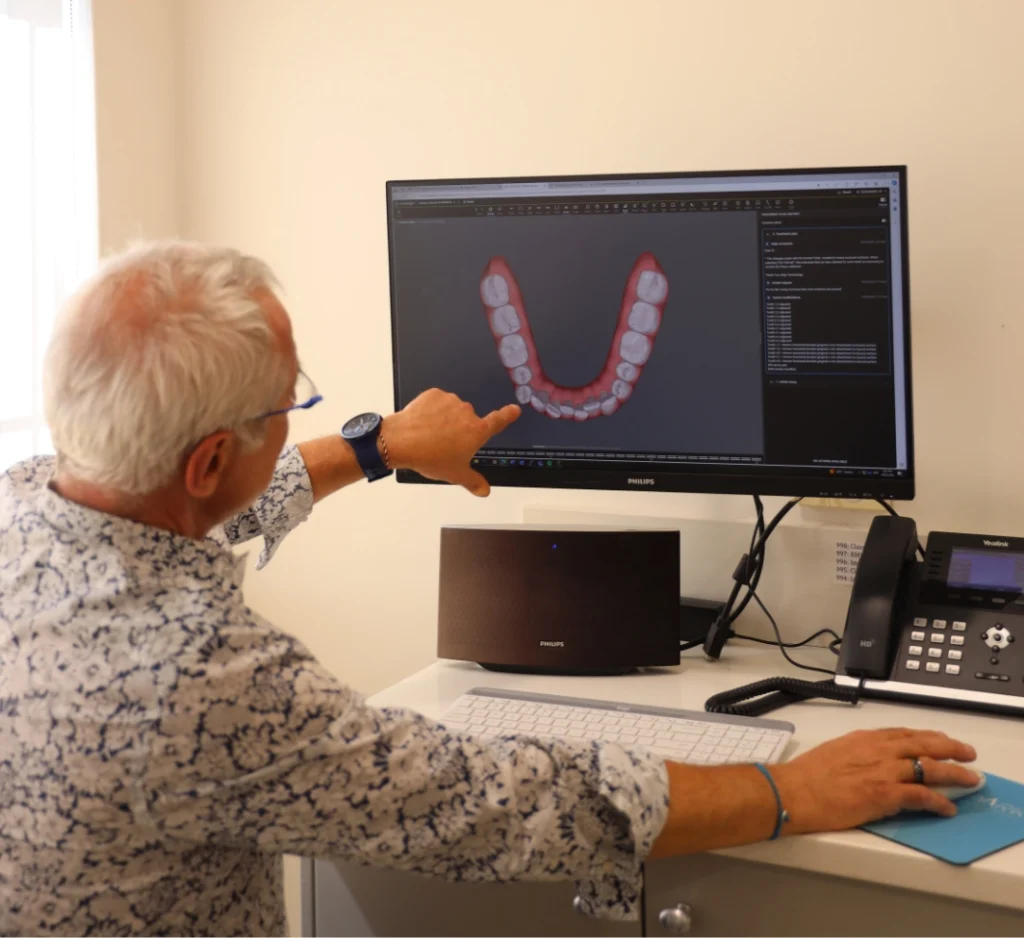
We use WIN, a fully customised system. Your brackets and wires are designed from a digital scan of your teeth, each shaped to sit close to the back of a specific tooth, and are made over a few weeks before fitting.

You may also see them called hidden braces, braces behind the teeth or incognito braces. Incognito is the brand name of a different lingual system; the principle is the same.

Orthodontist reviewing a 3D digital scan of a patient's teeth
SUITABILITY

Who are lingual braces suitable for?

Lingual braces correct the same problems as other braces, from crooked teeth and gaps to most bite problems. They are often chosen by:

  • adults who present, teach or meet clients face to face
  • people who want fixed treatment without relying on aligner wear
  • older teenagers prepared to be thorough with cleaning
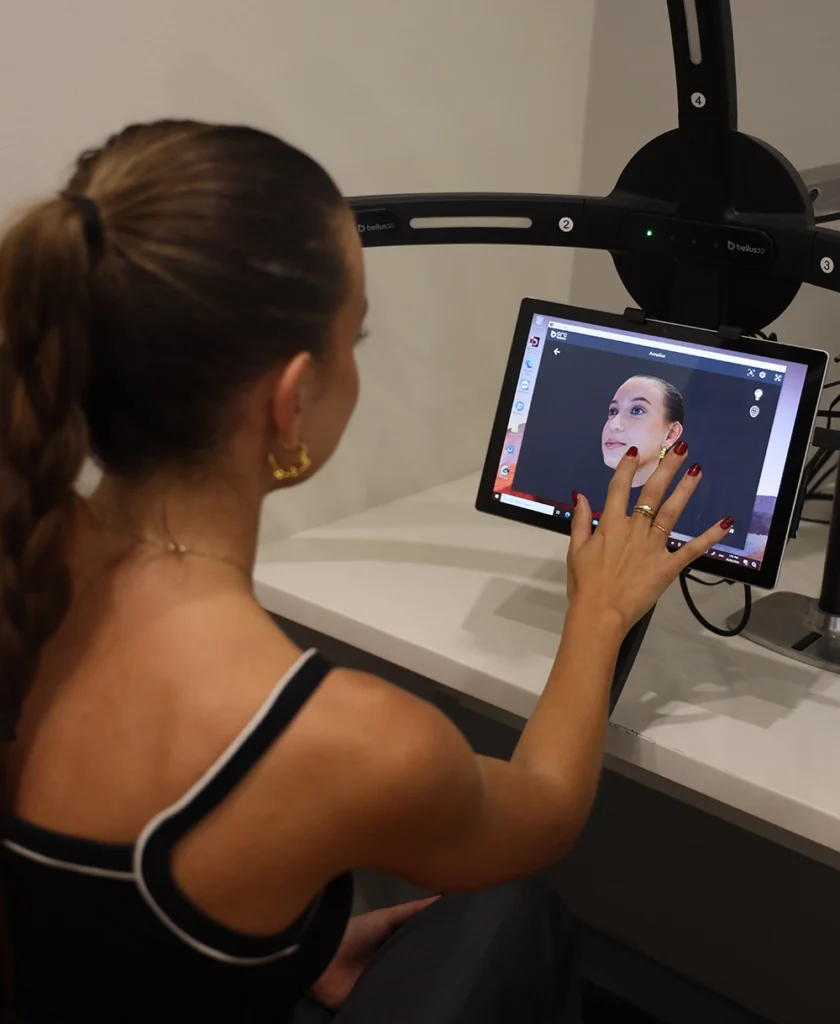
Patient viewing a 3D scan of their face and teeth on a tablet
SOME CASES NEED A CLOSER LOOK

Very short teeth may not leave room for a bracket on the back surface, and in some bites the lower front teeth touch the upper brackets, which needs planning. Gums must be healthy before treatment starts.

Timing matters too. Most people sound slightly different for the first week or two, so plan the fitting a few weeks before a wedding speech, big presentation or audition.

COMPARE YOUR OPTIONS

Lingual braces vs traditional braces vs Invisalign

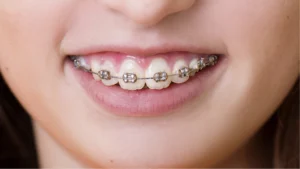
FeatureLingual brackets behind the teethLingual bracesTraditional bracesTraditional braces (metal or ceramic)Invisalign aligner trayInvisalign
Visible when you smileNoYes; ceramic is less noticeableNear-clear trays; attachments may show
Relies on you wearing itNoNoYes, 20 to 22 hours a day
Effect on speechMild lisp for a week or twoLittle or noneSlight, mainly in the first few days
CleaningHardest, as brackets are out of sightModerateEasiest, as trays come out
Usual feeGenerally the highestGenerally lowerVaries with the case

If a fully hidden appliance isn’t essential, ceramic braces are less noticeable than metal and generally cost less, and Invisalign suits people who prefer removable trays. See all braces options.

THE PROCESS

What does lingual braces treatment involve?

TYPICAL DURATION

Treatment length is broadly similar to conventional braces, with most courses taking 18 to 24 months.

  1. Assessment. Examination, photographs and X-rays, then a frank discussion of whether lingual braces suit you.
  2. Scan and design. A digital scan is used to plan the tooth movements and design your custom brackets and wires.
  3. Fitting. A transfer tray places every bracket in its planned position in one appointment.
  4. Adjustments. Usually every four to eight weeks.
  5. Removal and retainers. The brackets come off and retainers hold your teeth in their new position.
FEES

How much do lingual braces cost in Sydney?

Lingual braces generally cost more than other braces. Each bracket and wire is custom-made in a specialised laboratory, and working on the back of the teeth takes more chair time. The fee also depends on:

  • how complex your case is
  • whether both arches are treated
  • the retainers you need

Some patients choose lingual braces on the upper teeth, which show most, and ceramic or standard braces on the lower teeth, a form of hybrid orthodontic treatment. Needing fewer custom brackets can bring the fee down.

You’ll have a written quote after your assessment. Check your health fund’s orthodontic cover, and see payment plans and finance for ways to spread the cost.

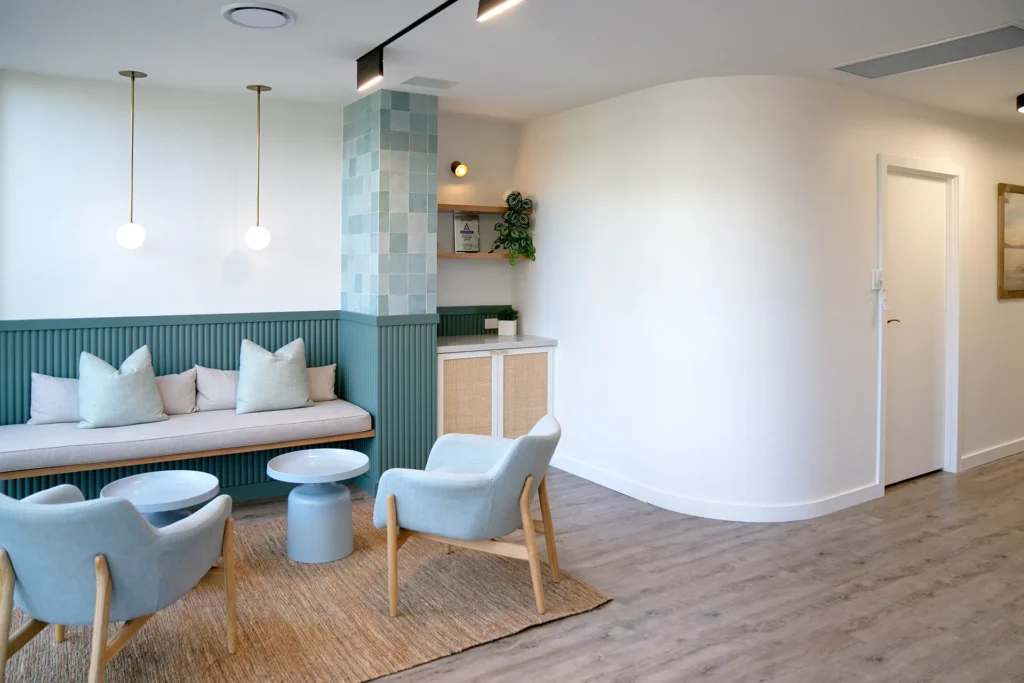
Patient lounge at Lifestyle Orthodontics
WHY LIFESTYLE ORTHODONTICS

Why choose Lifestyle Orthodontics for lingual braces?

Lingual braces ask more of an orthodontist than front-facing braces: the brackets go on surfaces that are harder to see and reach, and the plan must be final before anything is made.

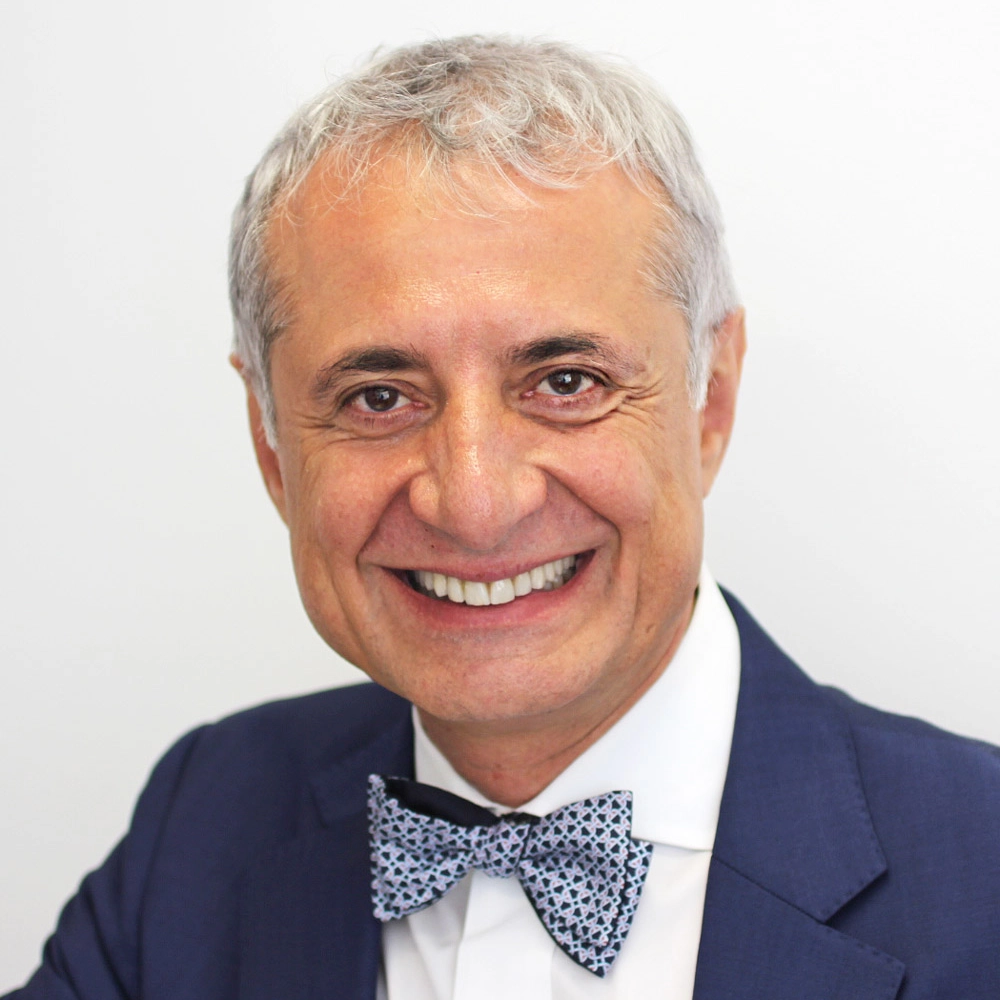
Professor Ali Darendeliler

Professor Ali Darendeliler

Leads the Lifestyle Orthodontics team.

Dr Roshanak (Roshy) Boustan

Dr Roshanak (Roshy) Boustan

An Australian orthodontic board and AHPRA registered specialist orthodontist.

CUSTOM WIN SYSTEM

Brackets and wires designed from a digital scan of your teeth.

WOOLLAHRA

135 Edgecliff Road, Woollahra

MOSMAN

Suite 2, 600 Military Road, Mosman

FAQS

Frequently asked questions

Do lingual braces affect speech?

Most people notice a slight lisp at first, mainly on “s”, “t” and “th” sounds, because the tongue touches the brackets. It usually settles within one to two weeks. Reading aloud and talking normally help the tongue adapt faster.

Yes. They apply the same forces as conventional braces, from the other side of the tooth. Results depend on the plan and careful placement, not on which side of the tooth the brackets sit.

Not as a rule. Treatment length depends mainly on your case. Individual visits can take longer, because adjusting brackets behind the teeth takes more time, but the overall course is broadly comparable.

Expect your tongue to feel the brackets, and to be tender in places, for the first week or so. Orthodontic wax over any spot that rubs helps, and the irritation settles as the tongue adapts.

Often, yes. A common option is lingual braces on the upper teeth and ceramic or standard braces on the lower teeth, which show far less. Treating one arch alone isn’t always possible, because the upper and lower teeth have to meet properly at the end.

Book a lingual braces assessment in Sydney

At your assessment we check whether lingual braces suit your teeth and bite, and go through timing, cost and alternatives. No referral is needed. Call 02 8412 0085 or get in touch to book with an orthodontist in Sydney at Woollahra or Mosman.